

Stair Climbing Robot Vacuum technology is changing the way multi-story homes look at hands-off cleaning, finally targeting the “single-floor” problem that’s frustrated millions of smart home users for years.
Key Takeaways
- Stair climbing robot vacuums are a fast-growing niche, offering new hope for true floor-to-floor autonomy in multi-level homes.
- Most real 2025–2026 products use modular “companion modules,” not all-in-one robots—and cleaning stairs themselves is still challenging.
- Reliability, safety, and high cost are major hurdles, but next-generation leg-based bots could redefine the market within two years.
- The Core Concept: Stair Climbing Robot Vacuum
- Step-by-Step Guide: How to Set Up and Use a Stair Climbing Robot Vacuum
- Advanced Analysis & Common Pitfalls
- Conclusion
- FAQ
The Core Concept: Stair Climbing Robot Vacuum
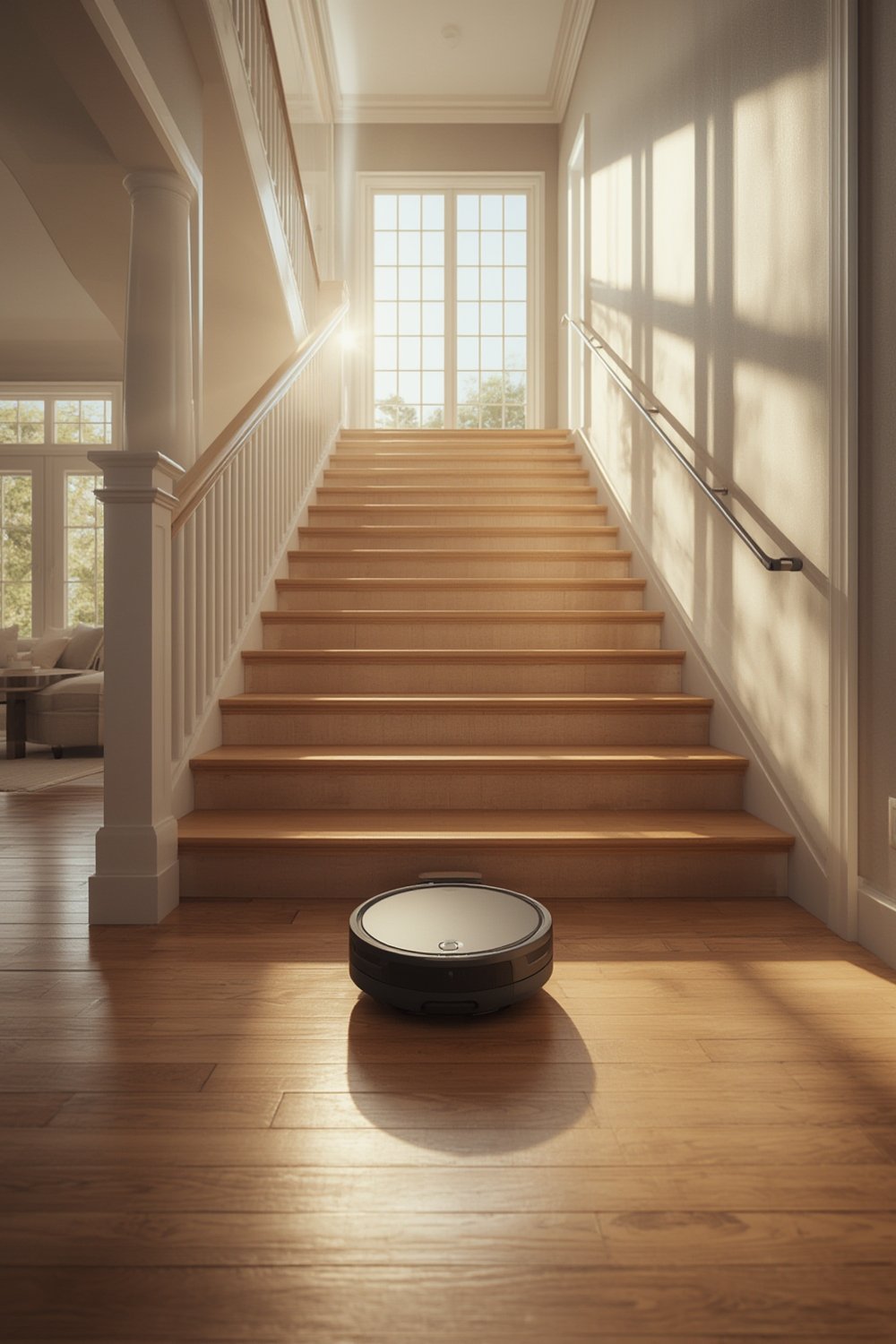
Why are so many homeowners searching for a stair climbing robot vacuum? The answer is simple: traditional robot vacuums can only clean one floor at a time. As a result, people in multi-story homes are forced to lug their machines up and down stairs, undermining the promise of “fully automated” cleaning.
Stair climbing robot vacuums aim to solve these hurdles. The latest approaches use either robotic “companion modules” that carry traditional vacuums between floors, or advanced “legged” robots designed to handle stairs and variety of surfaces. This addresses several pain points: reducing manual work, increasing true coverage, and providing more hands-off operation in bigger homes.
Early concepts—like the much-rumored Roborock Saros Rover—sparked discussion, yet there are no credible sources confirming its release or specs as of 2024–2026. Instead, real-world progress comes from brands such as Dreame, Eufy, and MOVA, who revealed stair modules that transport robots during trade shows like IFA 2025. Read about these IFA 2025 prototypes here.
Step-by-Step Guide: How to Set Up and Use a Stair Climbing Robot Vacuum
If you’re ready to try a stair climbing robot vacuum or a modular companion, here’s how to proceed to maximize results and minimize headaches:
- Choose the Right System for Your Home
Review whether you need a robot that cleans stairs by itself (rare as of 2025), or a combo system that automatically shuttles robots between floors. Most buyers today should consider the modular approach. - Prepare Multi-Level Mapping
Place the robot on each floor and allow it to create accurate maps. Onboard sensors—like LiDAR and 3D vision—are essential for reliable performance. - Dock Placement and Charging Planning
Ideally, set up a dock on each floor. This may require moving power outlets, or adding cable management to avoid clutter. - Configure Multi-Floor Routines
Use the robot’s app to schedule cleaning cycles for each level. For robot+climber systems, ensure both modules sync properly for seamless operation. - Monitor Safety Features
Test the robot’s cliff sensors and any stair-scanning or fall-prevention systems. Watch its first run on stairs to confirm safe operation—never leave it unchecked in early runs. - Maintain Regularly
Clean tracks, legs, or wheels and remove debris to prevent jams. Check for firmware updates often, and monitor batteries for any degradation or overuse from frequent climbing.
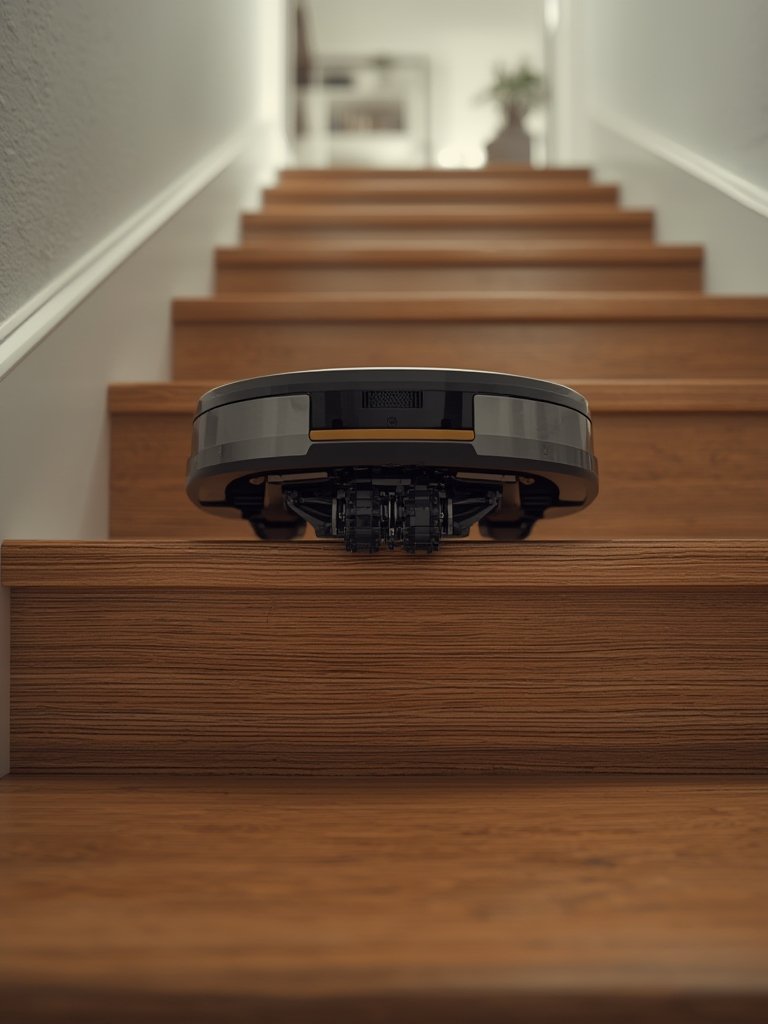
To help you compare, smart home assistants can automate routines for stair bots, while wireless charging smart locks ensure doors stay secure when you’re running vacuums remotely.
Advanced Analysis & Common Pitfalls
Adopting a stair climbing robot vacuum is not without risks and trade-offs. Here’s what buyers should realistically expect:
- Mechanical Complexity Increases Maintenance: Tracks, legs, and multiple modules mean more points of failure. Expect to spend more time cleaning and occasionally replacing parts compared to basic models.
- Map Confusion & Hassle: Even with AI, multi-floor map management can go awry, causing misplaced cleaning or “getting lost” between levels after firmware updates.
- Cost & Size: Full-featured systems remain pricey. You’ll need multiple docks, more floor space, and may spend over USD 1,000 for a top system.
- Inconsistent Stair Cleaning: Most products only traverse stairs; cleaning treads and risers is mostly unresolved, so spot-vacuuming may still be needed.
- Safety Concerns: Falls do happen with poorly mapped stairs or edge-detection faults, especially on glass, glossy, or carpeted staircases. Always test in person before trusting automation. Industry reports confirm safety and reliability remain key adoption barriers.
- Noise & Battery Life: Climbing actions draw more power and can be notably louder than standard vacuuming. Battery runtime may drop when hauling heavy payloads between floors. Read more about battery specs in the robotic vacuum market.
| Feature | Standard Robot Vacuum | Stair Climbing Solution |
|---|---|---|
| Floor Coverage | 1 level only | Up to 5 levels (with module) |
| Setup Complexity | Simple (Single map, 1 dock) | High (Multi-map, multi-dock) |
| Stair Cleaning | No | Rare (mainly only stair transit) |
| Maintenance | Low to moderate | High (Tracks, joints, sensors) |
| Price Range | $300–$1000 | $1000+ |
Competitors tend to gloss over real safety, integration, and upkeep concerns. Our AI Water Management System post explains why cross-device integration is also crucial for future multi-level homes.
Conclusion
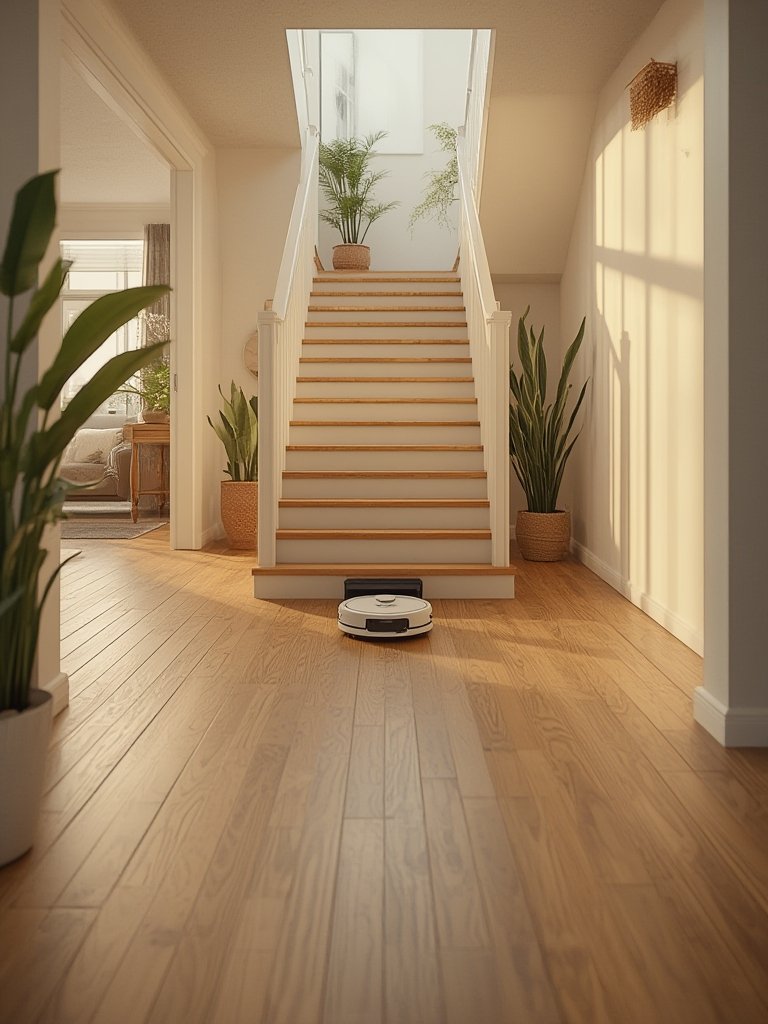
Stair climbing robot vacuums are finally tackling the last frontier in automated home cleaning. Although whole-home stair and riser cleaning remains a technical challenge, these systems already save time and hassle for owners of multi-level houses. As the market matures and leg-based robotics arrive by 2026, expect costs to fall and reliability to improve.
Ready to take the next step? Browse our guides on circadian smart home lighting or discover smart vents to create a seamless, fully automated home alongside your new stair climbing robot vacuum.
Start your floor-to-floor cleaning upgrade today.
FAQ
Are any true stair cleaning robot vacuums available on the market?
As of 2025, there are no major consumer models that fully clean stairs. Most solutions are robot+companion module systems that autonomously move vacuums between floors, not all-in-one cleaners that vacuum each step.
Is the Roborock Saros Rover a real commercial product?
No. There are currently no credible sources or official announcements confirming the Roborock Saros Rover as a real stair climbing robot vacuum. It remains speculative with no launch date or specs.
What are the major downsides of using a stair climbing robot vacuum?
Maintenance is higher, and there are more failure points due to moving parts. Cost is also significant, and mapping between floors can sometimes glitch, requiring manual resets.
Can these systems clean stair treads and risers themselves?
In most cases, no. Stair modules transport vacuums between levels, but cleaning each step typically requires manual vacuuming or a handheld tool.
Do I need professional installation for a stair climbing robot vacuum system?
Not usually. Setup is DIY, but plan out dock placement and ensure Wi-Fi covers all levels for best performance.
 Email Submit Button: “Get Free Guide Now”
[…] technology can be paired with other connected home solutions such as whole-home cleaning robots (stair climbing robot vacuums) and smart home improvement projects. But, as with any new innovation, a realistic understanding of […]
[…] further automate your home, consider installing a stair climbing robot vacuum for a clean, efficient, and healthy environment that pairs well with dynamic lighting […]
[…] more on full-home automation that expands beyond door access, don’t miss our guide to robot vacuums for stairs and multi-level cleaning and our deep dive on AI-powered home assistants—helping you build a truly future-ready smart […]
[…] If this is your first smart home upgrade, cross-check with other smart systems you might have. Get inspired by complete smart home guides, like these practical home improvement automations, and consider how floor-level cleaning or climate control could work together—see our insights on whole-home robot vacuums. […]
[…] mirrors, or strong Wi-Fi interference. For detailed navigation and cleaning insights, explore the stair climbing robot vacuum guide—the placement logic is similar for multi-room […]
[…] for more whole-home automation ideas? Read our stair climbing robot vacuum guide for smart navigation tips that pair well with an intelligent energy […]
[…] device categories—limiting support for outlier brands or separate platforms. If you run a stair climbing robot vacuum or advanced lighting system, check for cross-platform agentic compatibility before making new […]