

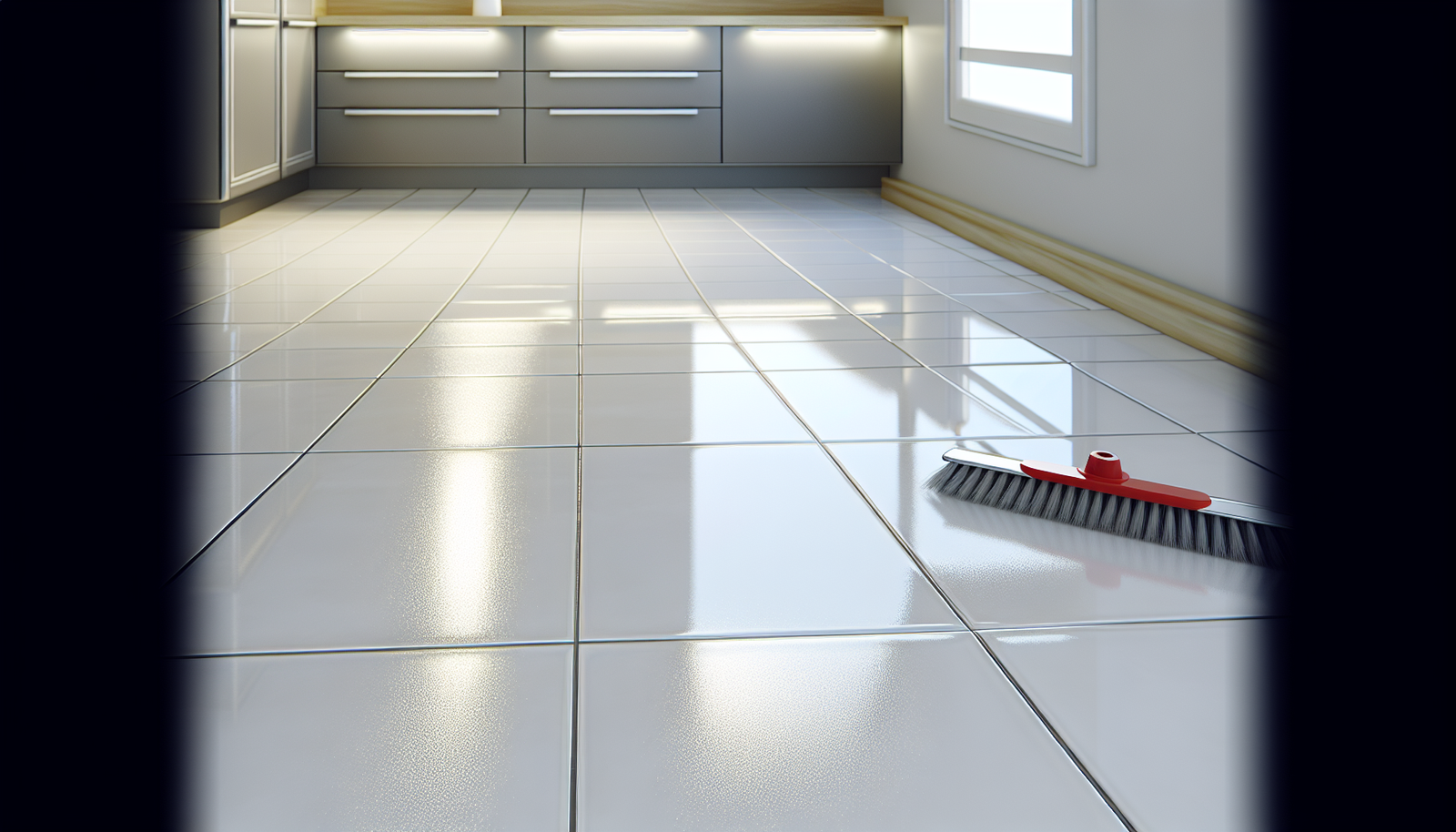
Grout and tile cleaning is essential for preserving the hygiene, appearance, and longevity of surfaces in homes and businesses. Dirty grout and dull tiles can detract from even the most beautiful rooms. This comprehensive guide explores proven cleaning methods, product selections, and maintenance strategies to ensure your grout lines and tiles stay immaculately clean and inviting.
Understanding Grout and Tile Materials
Grout and tile, while often grouped together, are distinct components essential to the durability and look of tiled surfaces. Tile serves as the visible, protective, and decorative layer, while grout fills the joints, securing the tile and preventing debris and moisture from seeping below the surface. Tiles are manufactured from a variety of materials, most commonly ceramic, porcelain, natural stone (including marble, travertine, granite, and slate), glass, and sometimes metal or vinyl. Each material comes with its own set of characteristics and vulnerabilities.
Ceramic and porcelain tiles are favored for their durability and low water absorption, making them ideal for bathrooms, kitchens, and entryways. Natural stone offers unique, elegant visuals but tends to be more porous, which means it can absorb liquids and oils if not properly sealed. Tiles may also be finished with glazes or left unglazed, the latter providing a more textured feel but being more susceptible to staining.
Grout, situated between tiles, is usually a mixture of cement, sand, water, and sometimes additives for flexibility or stain resistance. There are two primary types: sanded grout, containing fine sand particles for broader joints (typically over 1/8 inch), and unsanded grout, which is smoother for narrower gaps and delicate surfaces like glass tile or highly polished stone. Sanded grout is more durable for high-traffic areas, while unsanded grout provides a smoother finish for intricate installations.
The absorptive and uneven nature of grout, coupled with the variety of tile finishes—from glossy to textured—makes these surfaces susceptible to accumulating grime, stains, and mold. Tile’s finish and porosity determine how quickly dirt and spills settle in, while grout, being rough and porous, can trap debris and moisture, becoming a breeding ground for mold and discoloration. These differences underscore the importance of tailored cleaning approaches suitable for each type of tile and grout, as improper methods can lead to damage and premature wear.
Common Causes of Staining and Deterioration
The persistent staining and deterioration of grout and tile surfaces result from a combination of external contaminants, environmental factors, and the very nature of their placement within a household. High-moisture environments such as bathrooms and kitchens are especially vulnerable. Here, problems often begin with mold and mildew, which thrive in damp, porous grout—sometimes aggravated by inadequate ventilation or frequent splashes. When water seeps into unsealed grout lines, it not only promotes biological growth but can also cause efflorescence: the chalky, white, powdery deposit that migrates to the surface as water evaporates, leaving behind dissolved salts.
In kitchen settings, the situation is further complicated by grease splatters and ingrained food residues. These sticky contaminants adhere strongly to ceramic, porcelain, and natural stone, while simultaneously sinking into grout lines, making simple surface wipe-downs insufficient. Soap scum is another common offender, particularly on shower walls and floors—forming when soap binds to hard water minerals and leaving behind cloudy, dull films resistant to casual cleaning.
Heavy foot traffic accelerates surface wear, causing microscopic scratches and gradually grinding dirt into both tiles and grout. Over time, this cumulative abrasion dulls finishes and erodes grout, making it increasingly prone to staining and microbial colonization. Notably, the use of improper cleaning products—such as acidic cleaners on marble or harsh bleaches on colored grout—can exacerbate the situation. These substances may etch tile surfaces, break down grout binders, or even alter color, all while leaving behind residues that attract yet more dirt.
Neglecting regular care impacts not only the appearance but also health: mold, mildew, and bacteria release spores and odors, posing respiratory risks and aggravating allergies. Aesthetically, soiled and stained grout lines can undermine the beauty of premium tile installations, conveying an impression of neglect no matter how elegant the surrounding décor. Careful, informed maintenance is crucial for sustained hygiene and visual appeal.
Efficient Cleaning Techniques for Grout and Tile
Grout and tile can regain their original luster with efficient cleaning techniques grounded in scientific reasoning and enhanced by practical experience. A targeted, methodical approach is key. Begin by removing dry debris: sweep or vacuum tiles, ensuring loose dirt doesn’t become abrasive when wet. For everyday soiling, prepare a solution of hot water with a few drops of mild dish soap. Soak a microfiber mop or cloth, wring thoroughly, then wipe the surface in small sections. Use clean water to remove residues, ensuring no film is left behind that could attract future grime.
When tackling soiled or discolored grout, first gauge the tile and grout composition. Natural stone requires pH-balanced cleaners to prevent etching, while porcelain and ceramic withstand more acidic or alkaline solutions. For a gentle yet effective household method, sprinkle baking soda onto damp grout lines. Spray with a 1:1 mix of white vinegar and water, letting it fizz for several minutes. This chemical reaction releases embedded dirt. Scrub with a stiff-bristled nylon brush (avoid metal bristles to prevent grout damage), then rinse with warm water.
For stubborn, set-in stains, commercial products formulated for grout can break down tough residues. Always spot-test in an inconspicuous area, and wear gloves for protection. Steam cleaners provide mechanical aid by penetrating porous grout with high-temperature vapor, loosening dirt and killing bacteria or mildew without harsh chemicals. Move slowly to allow heat to work, then immediately blot away moisture.
Stain severity and surface material dictate frequency and intensity: lightly soiled areas benefit from quick treatment, while heavily trafficked or deeply stained zones may need repeat cleaning, rotating between household, mechanical, and commercial methods as appropriate. Adapting your techniques preserves both aesthetic and structural integrity, laying the groundwork for long-term maintenance and protection in the sections that follow.
Preventative Care and Long-Term Maintenance
A commitment to preventative care and thoughtful long-term maintenance is key to preserving the visual appeal and structural integrity of your grout and tile. While thorough cleaning methods can restore and revive surfaces, an effective care routine drastically reduces the need for intensive interventions.
*Regular sweeping and dust-mopping* play a crucial, ongoing role. Abrasive particles like sand and dirt can scratch tiles and embed themselves into grout, dulling both appearance and finish. Aim for daily dry cleaning in high-traffic zones and at least several times a week elsewhere to minimize this damage. *Wet mopping* should complement sweeping; use a damp mop with a pH-neutral tile cleaner. Acidic or alkaline products can erode grout and glaze over time, so choosing gentle, specifically formulated cleaners will maximize surface protection.
Sealing freshly cleaned grout is one of the most powerful tools in maintaining both cleanliness and durability. Grout, inherently porous, is susceptible to moisture, spills, and stains—sealing acts as a protective barrier, repelling water and reducing the risk of blemishes and microbial growth. Depending on traffic and tile location, resealing annually or semi-annually is recommended. Penetrating sealers are often ideal for most grout types, as they do not alter the surface appearance.
*Promptly attending to spills* is essential for preserving grout and tile. Acidic substances like juice, coffee, or wine, and oil-based spills should be blotted (not rubbed) immediately to avoid deep staining or chemical damage. Always rinse the affected area with clean water after using any spot treatment.
When selecting ongoing maintenance products, always review manufacturer guidelines for your specific tile and grout materials. Avoid harsh abrasives, bleach-based cleaners, or waxes unless explicitly approved, as these can cause irreversible surface wear or hazing. With the right preventative practices, you’ll find intensive cleaning necessary far less often, while enjoying spotless, resilient, and beautiful tile surfaces for years.
When to Call the Professionals
Even with a consistent routine of cleaning and maintenance, there are circumstances when calling in professional grout and tile cleaning services becomes essential. For instance, when you notice areas of grout exhibiting stubborn stains that home methods can’t touch or deep-seated mold that keeps resurfacing, it’s an indicator that household solutions may not penetrate deeply enough. Persistent discoloration—especially if it spans across large sections—or recurring musty odors often signal bacteria or residue embedded far below the tile’s surface, requiring specialized intervention.
Professional cleaning companies bring advanced tools and expertise to the job. High-pressure steam cleaning, for example, can eradicate years of built-up grime embedded in grout channels and tile textures, something unattainable with everyday home cleaners or brushes. Additionally, professionals often utilize powerful, specialized cleaning agents and equipment—such as industrial-strength extraction machines and rotary scrubbers—that remove residues without damaging tiles or eroding grout lines. After a thorough cleaning, many professionals apply commercial-grade sealants that offer longer-lasting protection than most home-use products, effectively repelling moisture and future stains for extended periods.
Special situations, like tile restoration after flooding or smoke damage, cracked grout repair, or restoring intricate historical tiling, particularly demand professional resources and experience.
When selecting a service provider, prioritize companies with clear certifications, positive local reviews, and demonstrated experience with your tile or grout types. Ask about their cleaning process, environmentally friendly product options, and if they provide guarantees on their work. Request an on-site inspection and written estimate to avoid unexpected costs. Legitimate professionals should be transparent about products used and willing to discuss maintenance recommendations specific to your floor’s needs. By knowing when to invest in professional cleaning, you ensure both the effectiveness and longevity of your beautiful tile surfaces.
Conclusions
In summary, thorough grout and tile cleaning is key to clean, safe, and visually pleasing floors. By understanding your materials, tackling stains with the right methods, adopting preventative care, and knowing when to seek expert help, you can enjoy beautiful tile surfaces for years. Make grout and tile maintenance a regular habit for lasting results.
Welcome! For more in‑depth product and tech reviews, visit homepaw shub .
 Email Submit Button: “Get Free Guide Now”