

Smart irrigation system technology is transforming how homeowners, businesses, and landscapers conserve water, reduce bills, and achieve healthier landscapes—no green thumb or constant monitoring required.
Key Takeaways
- Smart irrigation systems save 20–40% water on average and can cut annual water bills by thousands.
- Automated controllers, sensors, and weather-based algorithms eliminate guesswork and prevent overwatering or drought stress.
- Initial setup is simple, but users must check device compatibility, connectivity, and perform light seasonal maintenance for optimal results.
- How Smart Irrigation Systems Work and Why They Matter
- How to Upgrade to a Smart Irrigation System (Step-by-Step)
- Real Problems, Advanced Tips & Pitfalls with Smart Systems
- Conclusion: Is a Smart Irrigation System Worth It?
- FAQs About Smart Irrigation Systems
How Smart Irrigation Systems Work and Why They Matter
A smart irrigation system is an automated network of controllers, sensors, and software that waters your garden, lawn, or landscape on demand—based on live weather, soil moisture, and plant needs. Unlike old manual timers, these systems only use the water your plants truly require, pausing irrigation when rain is forecast or increasing it during a heatwave. EPA WaterSense labels are common, and most smart controllers sync with your phone, letting you monitor or adjust from anywhere.
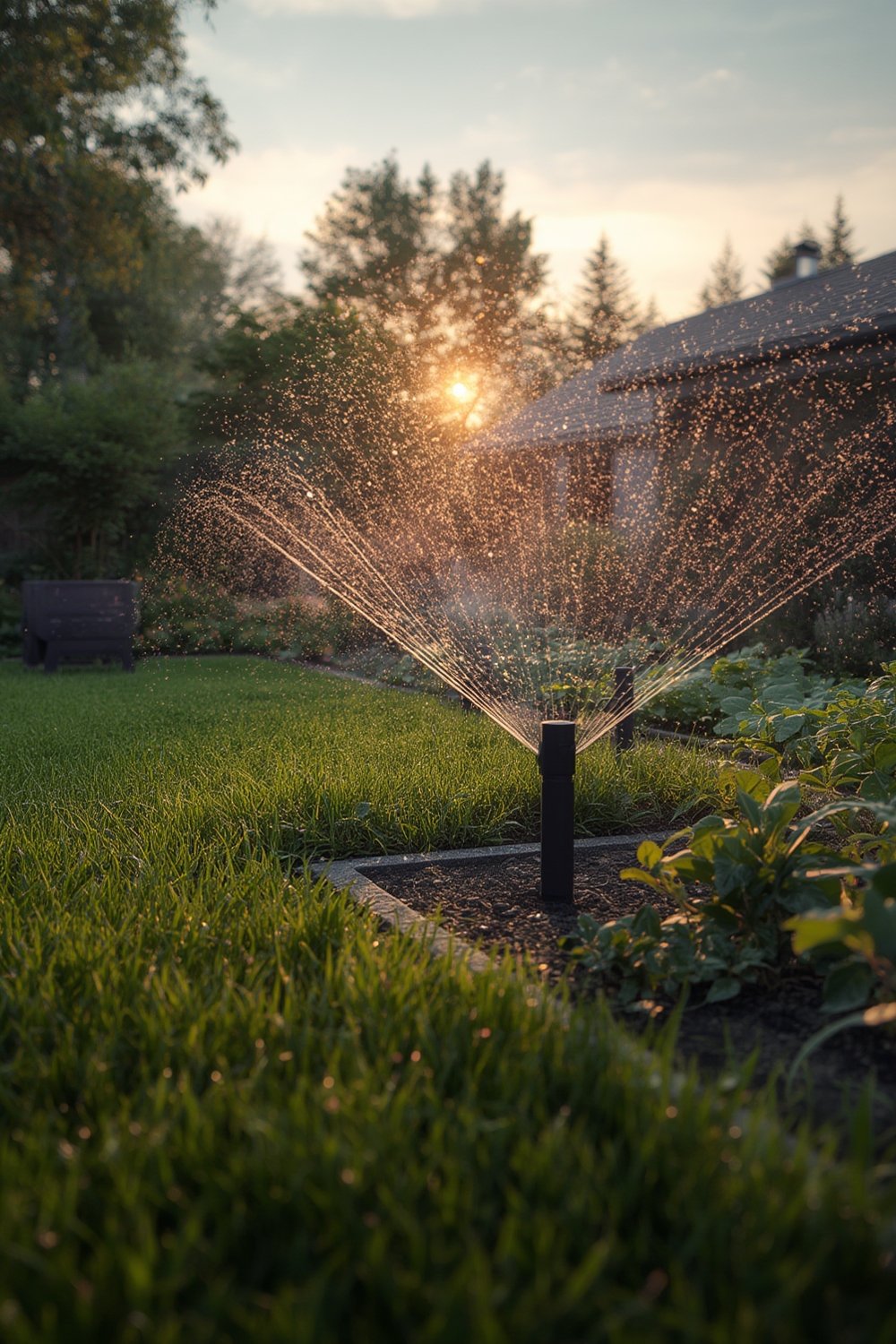
Why does this matter? According to research from Smart Rain and the University of Florida, homes and workplaces with smart irrigation can save around 20–40% more water compared to traditional sprinkler systems. One Texas office saved nearly 40% of its landscape water use, chopping over $3,000 from annual bills. In a world of water shortages, climate stress, and high utility costs, switching to a smart solution is both practical and environmentally responsible.
You can use a smart irrigation system in typical gardens, raised beds, flower borders, vegetable patches, or large commercial landscapes. They are frequently paired with AI water management systems, drought resistant plants, and even rain gardens for a bigger water-saving impact. These setups provide precise, weather-adaptive hydration, preventing overwatering, plant rot, or costly runoff.
How to Upgrade to a Smart Irrigation System (Step-by-Step)
Anyone can retrofit an existing sprinkler or drip setup for smart control. Here’s a realistic guide to get you started:
-
Audit Your Current Irrigation.
- Which areas are watered? Identify your lawn/bed zones and existing controllers or timers.
- Inspect for broken heads, leaking valves, or faulty wiring—fix these first for best results.
-
Choose the Right Smart Controller & Sensors.
- Check for compatibility with your current valves (most US homes use 24V AC models).
- Decide on app-based WiFi controllers (Rachio, Orbit, or RainMachine are popular) or go all-in with AI and weather-based options.
- Add soil moisture sensors for the most accurate, plant-specific irrigation. Sensors can be wireless or wired—choose based on range and budget.
-
Install & Connect Everything.
- Replace your wall timer/controller with the new smart device. Follow manufacturer wiring diagrams closely.
- Set up the WiFi connection using the app. Most controllers require a 2.4 GHz network (not 5.0 GHz).
- Place soil moisture sensors in representative parts of each major zone. For large gardens or raised beds, use a sensor per microclimate.
-
Program Schedules & Enable Automation.
- Let the app find your location for weather-optimized scheduling. Enable “skip watering on rainy days” functions.
- Create custom watering routines for veggie beds, lawns, shrubbery, or pollinator gardens.
-
Monitor & Tweak.
- Use the app to approve adjustments. Watch your water use (and bills) drop week by week.
- Pair with other smart home devices, such as Edge AI home monitoring or AI home assistants, for voice control or custom automations.
- Seasonally check sensors and flush drip lines to keep everything reliable year-round.
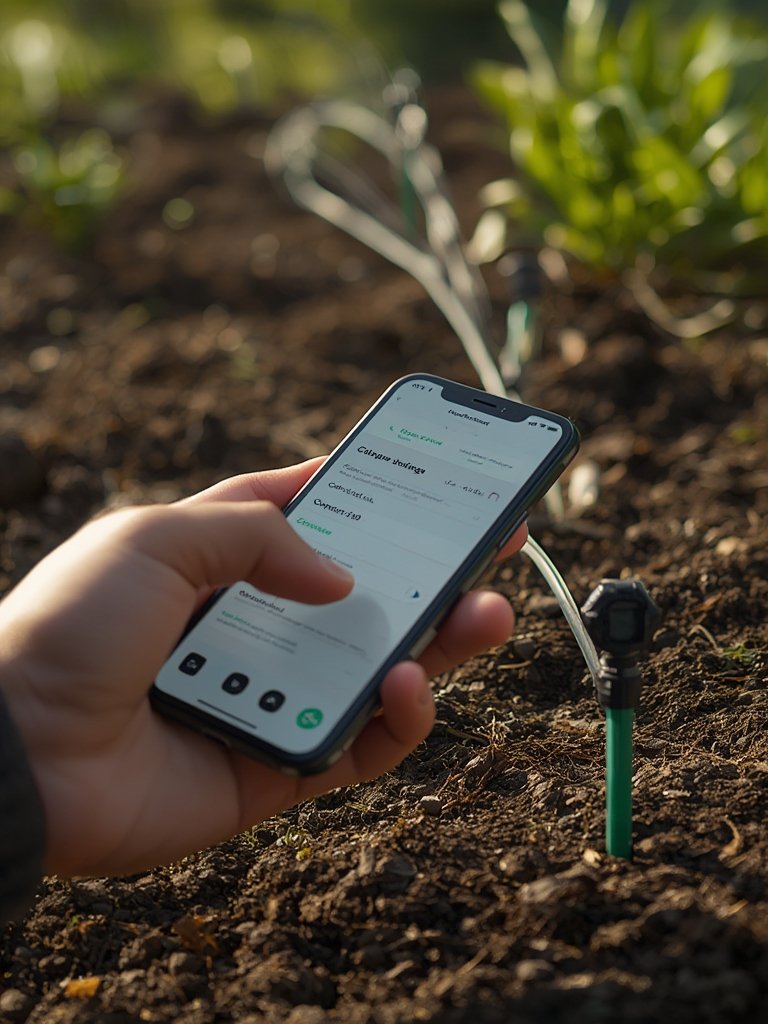
For those redoing their landscape, be sure to pair your system with sustainable features like lawn alternatives, vertical gardens, or native pollinator gardens to multiply your water and energy savings.
Real Problems, Advanced Tips & Pitfalls with Smart Systems
Most people see only benefits, but a smart irrigation system also comes with some real world challenges and common pitfalls. Here’s what you really need to know—plus an at-a-glance comparison of the options available.
| System Feature | Benefits | Potential Downsides |
|---|---|---|
| WiFi Smart Controller | Remote control, app integration, auto weather skips | WiFi dropouts, initial setup complexity, may not work with old valves |
| Soil Moisture Sensors | Plant-specific watering, drought/rot prevention | May require calibration, battery changes, can offer inaccurate readings in clay or sandy soils |
| Weather-Based Algorithms | Adaptive to rain, heat, seasons; maximum water savings | Weather data may be local but not hyperlocal, fails if your WiFi goes down |
| App Control & Scheduling | Easy monitoring, flexible for travel or changes | Some apps are buggy; not all regions have full weather database coverage |
Common Pitfalls & Realistic Issues
- Initial App & Hardware Setup. Many systems need 2.4 GHz WiFi—not 5.0. Make sure your router can split bands. Some controllers do not support older wired irrigation valves, and wiring diagrams can confuse first-time DIYers.
- Sensor Placement & Reliability. Most smart soil sensors lack perfect accuracy, especially in heavy clay or loose sandy soils, which can result in false “wet” or “dry” readings (source).
- Noisy Data or Algorithm Quirks. Weather-based controllers adapt to regional weather, not exact microclimates (think: under-tree beds or pots on a hot deck might be irregularly watered).
- Maintenance & Connectivity. Smart controllers are only as good as your ongoing network connection and periodic sensor maintenance (e.g., battery changes). Power loss or router issues can interrupt irrigation in summer heat.
- Lack of Detailed Negative Reviews. According to available research, little critical feedback is published for today’s major WiFi controllers or soil moisture sensors. However, real-world comments often mention “device refused to connect,” “battery died,” or “unexpected watering event after rain.”
Cost is a factor: while component prices are dropping, the upfront outlay for controllers, sensors, and installation can vary. Still, with up to 40% water savings and quick payback in bill reductions, most users recoup their investment within two to three seasons.
Still unsure? Explore other smart home upgrades, like smart vents for home, AI water leak prevention, or robotic vacuum cleaning to design your custom efficient home ecosystem.
Conclusion: Is a Smart Irrigation System Worth It?
Smart irrigation systems offer a reliable, data-driven way to slash outdoor water use, grow healthier landscapes, and automate garden or lawn care—even when you’re away. While there are startup challenges—mainly with connectivity or sensor accuracy—today’s systems are more affordable and powerful than ever. With up to 40% water savings and proven environmental benefits, a smart irrigation system is a practical move for any modern property owner. Ready to save money and conserve resources? Start planning your upgrade today—and enjoy the future of sustainable gardening.
FAQs About Smart Irrigation Systems
How much water and money can I save with a smart irrigation system?
Most households and businesses save 20–40% in water use and corresponding bill reductions, with some commercial properties saving thousands of dollars per year. The exact savings depend on your current setup, plant types, and local weather.
Are smart irrigation systems hard to install?
Retrofitting most modern irrigation systems only takes a few hours with basic tools. The most challenging part is wiring the new controller and ensuring your WiFi is compatible. For large or commercial installs, professional help is recommended.
Are soil moisture sensors accurate?
Soil moisture sensors provide valuable real-time data and can reduce wasted water, but their precision varies by brand and soil type. Calibration and periodic checking are needed for best results.
What happens if my WiFi goes down or the app stops working?
If your WiFi drops, most smart controllers revert to a basic timer schedule until the connection returns. Critical zones may miss customized weather adjustments during outages, so check system logs and test after storms or router resets.
What maintenance does a smart irrigation system need?
Inspect sensors for debris, replace batteries every season, check sprinkler heads for clogs, and review app updates regularly. Always calibrate sensors after landscape changes or software upgrades.
 Email Submit Button: “Get Free Guide Now”
[…] better fit for areas prone to water runoff. And for year-round low care, pairing your meadow with a smart irrigation system can ensure your new planting stays hydrated when it truly needs […]
[…] to go bigger? Integrate your paving with a rain garden, smart irrigation system, or pair with drought-resistant plants for an ultra-resilient, low-water […]
[…] the ultimate low-hassle backyard upgrade, consider integrating smart features like a smart irrigation system to maintain adjacent landscaping or installing smart vents for home climate […]
[…] If you want even more sustainable landscaping, integrate a rain garden or smart irrigation system nearby to harness runoff and cut irrigation needs—both approaches pair perfectly with a Miyawaki […]