

Meadow garden is a game-changer for low-maintenance landscaping, packed with benefits, but it’s not all wildflowers and butterflies. This guide provides clear, real-world steps, exposes common missteps, and gives you everything you need to know to decide if a meadow garden is right for your yard.
Key Takeaways
- Meadow gardens support far more pollinators and local biodiversity than traditional lawns, even in small urban spaces.
- Conversion is realistic for most homeowners, but success relies heavily on prep, species selection, and early maintenance.
- Challenges like weed invasion, slow visual results, and HOA concerns can derail projects—planning ahead and expectation checking are essential.
- The Core Concept: What is a Meadow Garden and Why Try One?
- Step-by-Step Guide: How to Create Your Own Meadow Garden
- Advanced Analysis & Common Pitfalls
- Conclusion
- FAQ
The Core Concept: What is a Meadow Garden and Why Try One?
A meadow garden replaces a portion or all of your traditional turf lawn with a mix of native grasses and wildflowers. These spaces mimic natural prairies or wild meadows, creating diverse, layered habitats for pollinators and birds, while slashing your water, fertilizer, and mowing needs.
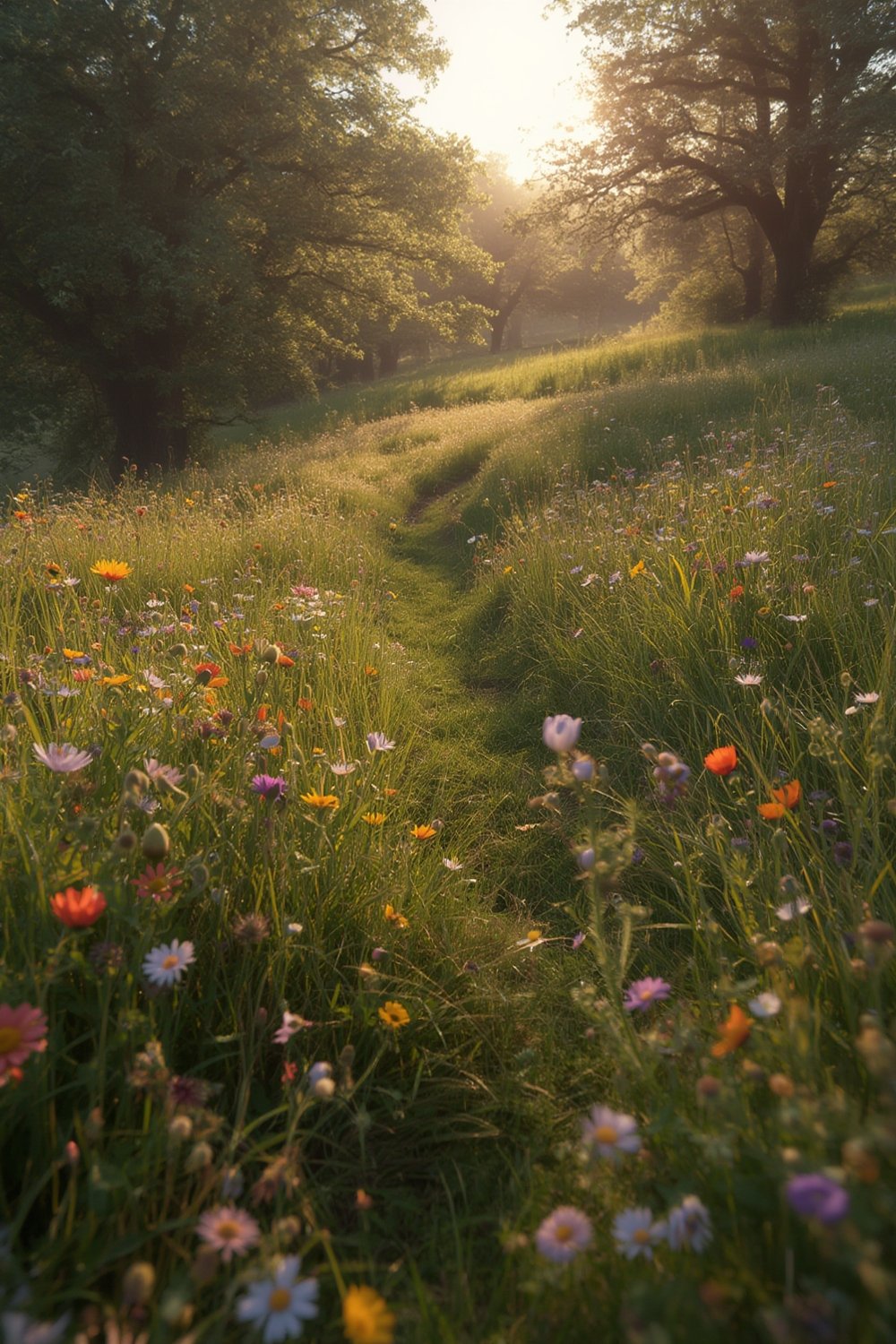
Unlike standard grass lawns, meadow gardens are designed for both resilience and visual seasonal change. The payoff? Less work over time, living color that shifts month to month, and a boost for local ecology. Federal pollinator restoration projects across North America have shown wildflower-rich meadows can support up to 162 species of insect pollinators and thousands of individual insects in a single acre. While direct 2024 residential lawn-vs-meadow statistics are lacking, pure lawns host far fewer species, especially of bees and butterflies.
Switching to a meadow doesn’t just help wildlife—it can save you money and headaches on upkeep, especially if you’re considering lawn alternatives for tougher climates. For naturally-minded designers, meadow gardens pair perfectly with concepts like cottagecore gardens, vertical gardens, and other low-input landscape shifts.
Step-by-Step Guide: How to Create Your Own Meadow Garden
Transforming a traditional lawn into a thriving meadow garden is straightforward, but thorough prep is vital. Here’s how to do it right:
-
Check Local Rules and Sunlight:
- Read HOA or municipal codes first. Some areas restrict “weedy” or “untidy” yards; others encourage pollinator patches.
- Choose a site with 6+ hours of sun for best results.
-
Select the Right Seed Mix:
- Research native wildflower and grass mixes suitable for your USDA zone. The more local the seed source, the better your long-term results and pollinator attraction.
- If you’re not sure, partner with a local extension office or native plant nursery. Or explore the insights from Project Wingspan on regional species.
-
Prep the Area:
- Remove existing turf. Smothering with cardboard and mulch for 3-6 months is effective and chemical-free. Solarization (clear plastic sheeting) also works.
- Soil need not be amended or fertilized—but you may want a soil test to check for extreme compaction or drainage problems.
-
Sow Seeds at the Right Time:
- Best: Late fall, after the first frost. Early spring is also suitable in most zones.
- Mix seed with sand or sawdust for even broadcast. Rake lightly and tamp down—do not bury deeply.
-
Water and Protect:
- Keep moist for the first two months. Watering is less critical after germination, but keep watch during drought.
- Consider a light straw cover to protect from washing away and scavenging birds.
-
Year 1-2 Maintenance:
- Mow high (5-6 inches) 1-2 times the first year to control weeds and prevent aggressive grass takeover. Remove clippings if possible.
- Weed by hand as needed, especially in corners and edges.
-
Year 3+ Maintenance:
- Mow or scythe once a year during late fall (after seeds have dropped). Remove debris to maintain a healthy sward.
- Spot-reseed bare patches every other year if needed.
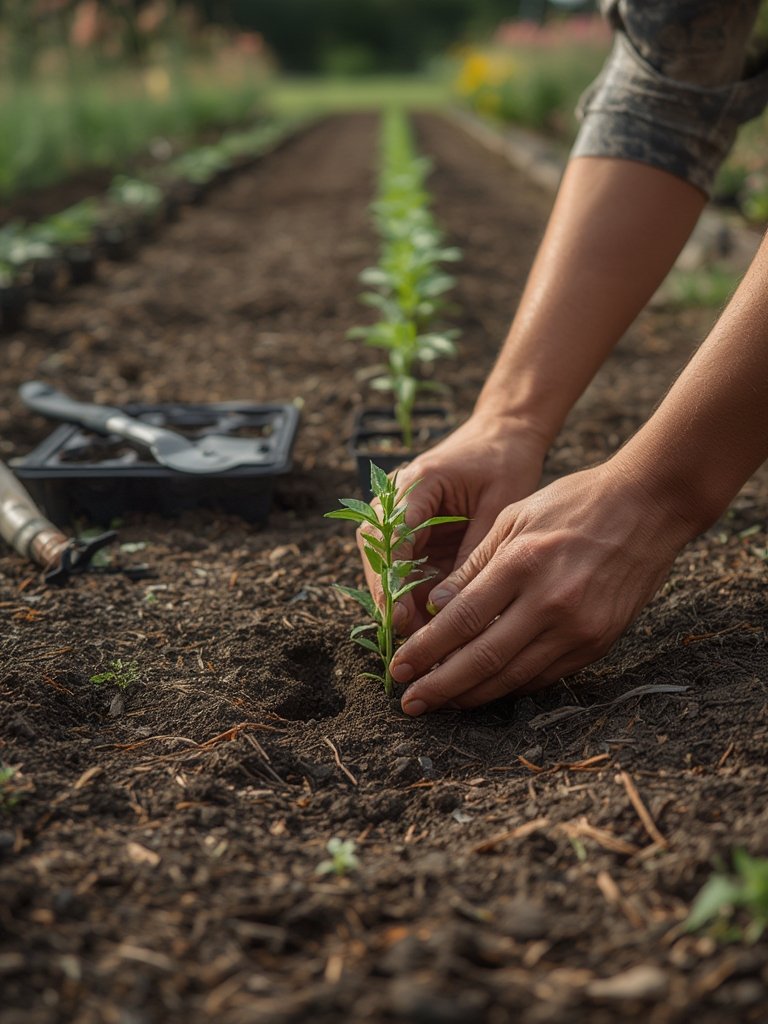
If you want the most robust pollinator habitat, check out the native plants for pollinators guide or see if a rain garden design is a better fit for areas prone to water runoff. And for year-round low care, pairing your meadow with a smart irrigation system can ensure your new planting stays hydrated when it truly needs it.
Advanced Analysis & Common Pitfalls
The beauty of a meadow garden comes with unique challenges. Data from 2024 research and practical experience highlight these realities:
- Slow Start: Realistically, most meadow garden conversions take 2-3 years to deliver full color and ecosystem benefits. Patience is needed, as early years can look “patchy” or weedy.
- Weed Pressure: One of the top pitfalls is underestimating weed invasion, especially if turf removal wasn’t thorough. Ongoing early hand-weeding, or mowing high during the first season, is critical to long-term success.
- Legal/HOA Barriers: Some neighborhoods or cities have ordinances against “untidy” yards. Always check requirements before starting, or risk fines and forced removal.
- Mis-matched Planting: Using generic wildflower mixes—or seed from different climate zones—often results in poor establishment, low pollinator value, and early dieback.
- Maintenance Is Not Zero: Despite the “no-mow meadow” branding, successful meadows demand annual or biannual mowing/scything, plus some edge management and occasional re-seeding. It’s less intense than grass lawns, but not “set and forget”.
- Costs & Long-term Inputs: While there is little published cost comparison data, prepping, seeding, and initial weed management often run higher than standard overseeding a turf lawn for the first year or two. Long-term, however, lower water, mowing, and fertilizer inputs can offer cost benefits through the years. See more about alternative yard investments in our content marketing SEO guide.
| Item | Traditional Lawn | Meadow Garden |
|---|---|---|
| Establishment Time | Instant (sod) or weeks (seed) | 1-3 years (full effect) |
| Yearly Maintenance | Weekly mowing, fertilizer 2-4x/year | Annual or biannual mowing |
| Biodiversity Value | Low (few pollinators or insects) | High (100+ pollinator species/acre) |
| Upfront Cost | Low to Medium (depends on type) | Medium to High (seed, prep, signage) |
| Long-term Cost | High (water, mowing, chems, overseed) | Low (minimal water/ferts) |
There’s ample evidence from reports like this wildflower meadow study to suggest ecosystem benefits can be dramatic, but achieving lush, weed-rich pollinator meadows in small residential spaces takes know-how. Want an even more resilient space? Pair your planting with drought-resistant plants, especially if you live in a challenging climate.
Conclusion
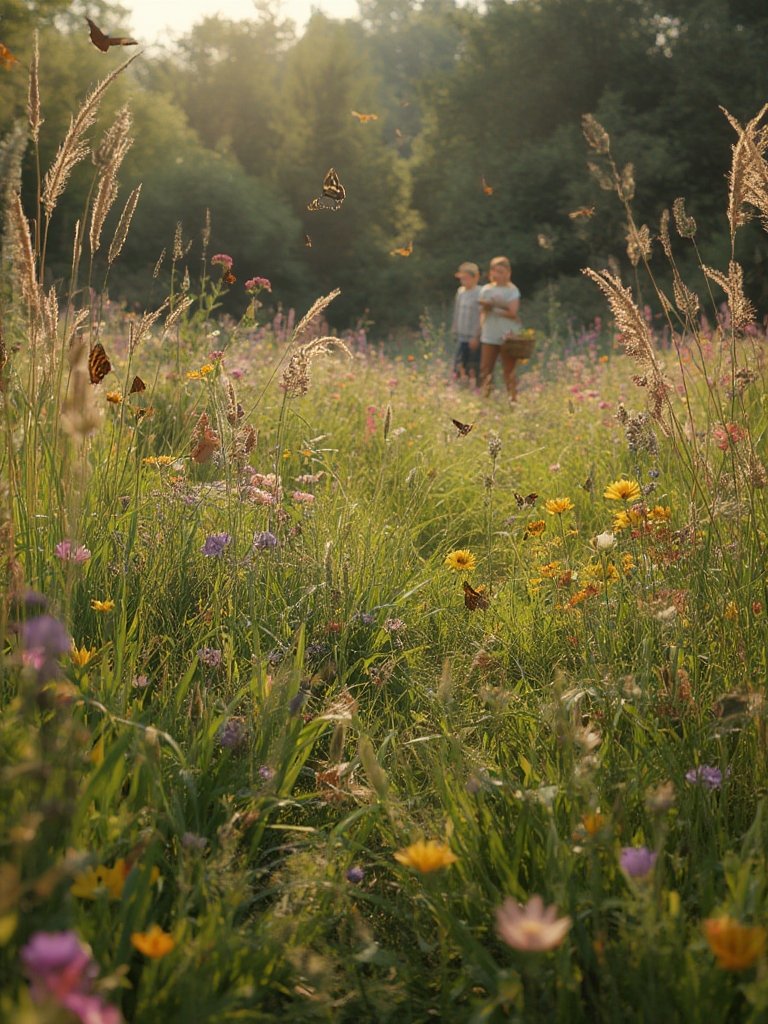
Done right, a meadow garden is a practical, beautiful move away from high-maintenance turf and toward a richer backyard ecosystem. Carefully consider local regulations, put in the work up front, and temper expectations in the first years. For those ready to commit, the payoff is undeniable—less work, lower costs, and a vibrant habitat for wildlife in your own yard.
Ready to get started? Explore more detail on lawn alternatives or take your next step by checking out our complete landscaping guide. A meadow garden can transform your landscape and help nature at the same time. Start planning your conversion today!
FAQ
How long does it take for a meadow garden to look “finished”?
Most meadow gardens reach full bloom and ecosystem value within two to three years. Initial years may look sparse or weedy, but color, density, and pollinator activity ramp up by year three. Patience is essential.
Can I install a meadow garden in shade or partial sun?
Full sun is best for wildflower-rich meadows, but you can use woodland edge or shade-tolerant mixes under trees. Expect lower bloom diversity in shadier zones, but you can still boost biodiversity over turf lawns here.
Will a meadow garden increase mosquitoes or pests?
No. Meadow gardens often decrease standing water and support natural predators like dragonflies and birds, controlling mosquito populations. Pests target monocultures—diverse plantings actually buffer your yard.
What’s the biggest mistake first-timers make?
The most common pitfall is weak or incomplete site prep, leading to ongoing weed issues. Also, using non-local or generic wildflower seed mixes can result in poor establishment and low pollinator value.
Can I combine a meadow garden with edible landscaping?
Absolutely! In fact, many gardeners mix meadow patches with edible landscaping for both beauty and utility—herbs, berry bushes, and perennial vegetables all blend beautifully into naturalistic designs.
 Email Submit Button: “Get Free Guide Now”
[…] meadow gardens or lawn alternatives which focus on groundcover, Miyawaki forests seek to build a layered woodland […]