

Table of Contents
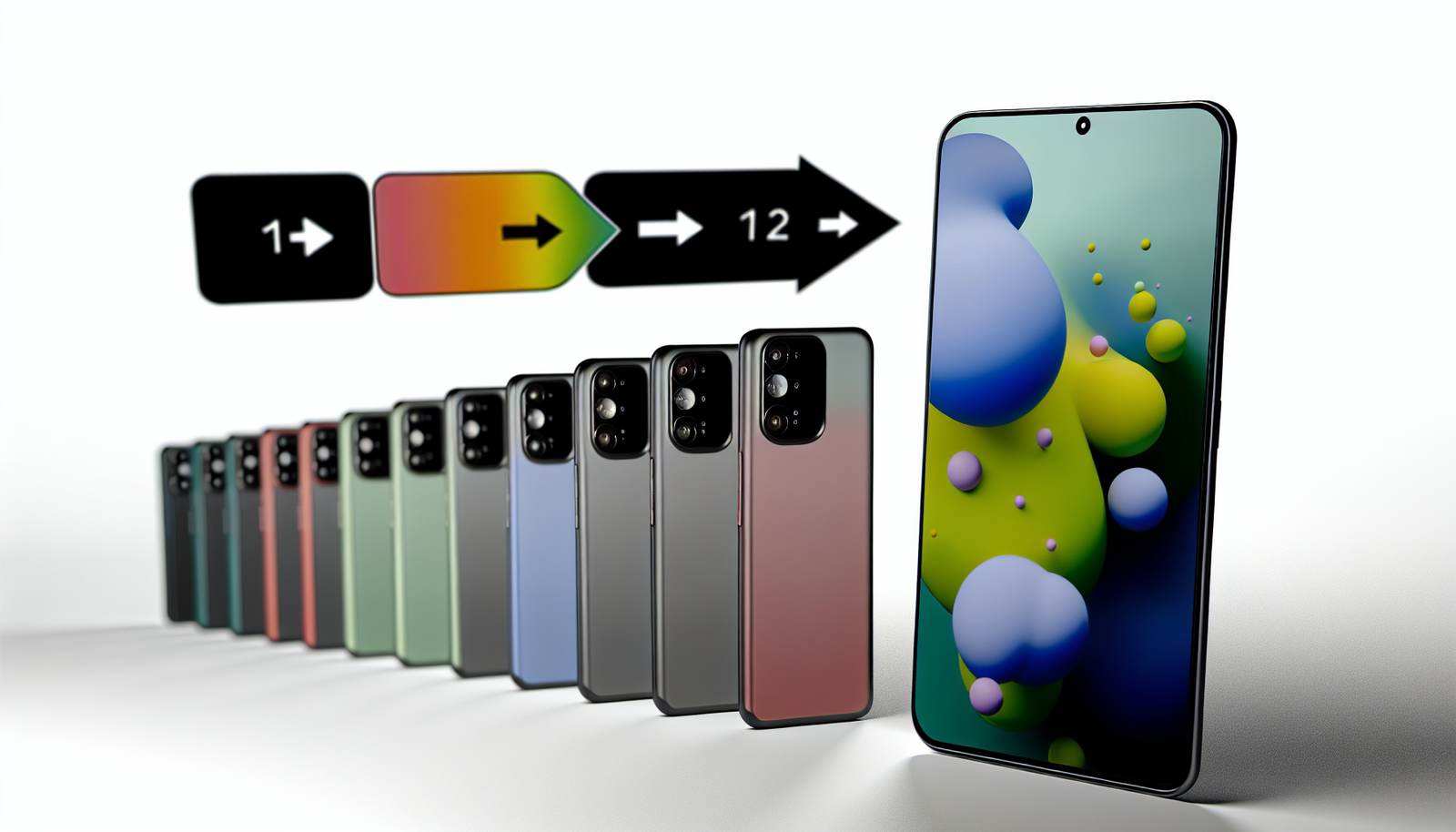
The iPhone 15 illustrates Apple’s ongoing commitment to innovation in smartphone technology. In this article, we’ll explore the new features of the iPhone 15 and examine the iPhone’s overall journey. From its historical milestones to its latest breakthroughs, discover how Apple’s flagship smartphone continues to redefine the mobile experience.
A Brief History of the iPhone
The iPhone’s journey began in 2007, when Steve Jobs unveiled a device that combined a phone, an iPod, and an internet communicator—three functionalities in one touch-driven slab that would rewrite industry assumptions. The first iPhone’s revolutionary multi-touch display eliminated the need for a physical keyboard or stylus, offering intuitive gestures like pinch-to-zoom that immediately set it apart from every other phone on the market. The seamless blend of glass and aluminum quickly became Apple’s design signature.
Over subsequent generations, the iPhone pushed boundaries year after year. The introduction of the App Store in 2008 gave rise to an entire ecosystem, transforming the iPhone into a versatile platform for software innovation and empowering millions of developers worldwide. The iPhone 4 introduced the “Retina Display,” making text and images incredibly crisp, while the iPhone 5 brought a taller screen and support for faster LTE networks. Biometrics entered the scene with Touch ID on the iPhone 5s, later replaced by Face ID’s facial recognition technology in the iPhone X—a breakthrough that also inaugurated bezel-less OLED displays and eliminated the iconic home button entirely.
Apple’s relentless drive for improvement saw the iPhone continually raise the bar for mobile photography and video, especially with the introduction of computational photography, Night Mode, Deep Fusion, and ProRAW formats. The shift to ceramic and glass builds, ever-thinner profiles, and water resistance reflected Apple’s commitment to craft as well as function.
Owning much of its success to an integrated synergy of hardware, software, and services, the iPhone popularized trends like mobile payments, augmented reality, and secure messaging, shaping not just the smartphone landscape, but also the very way people communicate, work, and live. By 2025, the iPhone stands not just as a device, but as a cultural cornerstone, fundamentally intertwined with every facet of the connected world.
Design and Hardware Advances in the iPhone 15
The iPhone 15 debuts a noteworthy evolution in physical design, capturing attention with its elegantly contoured aluminum edges. Unlike the sharper profiles of previous models, the rounder sides of the iPhone 15 offer a more comfortable grip and a refreshing tactile experience. The newly curved display subtly integrates into the chassis, blurring the boundary between screen and frame for a seamless look and feel. A significant transformation comes from the back glass, now crafted through a color-infused manufacturing process that delivers a satin matte finish, lending both durability and a soft, luxurious touch.
One of the iPhone 15’s most hailed hardware shifts is the adoption of USB-C, replacing the iconic Lightning connector Apple introduced in 2012. This transition doesn’t just align the iPhone with universal charging and data standards—it streamlines everyday convenience, making it possible to use the same cable for MacBooks, iPads, and AirPods. This strategic move marks an end to the proprietary era and is particularly impactful in shared and cross-platform device environments.
The palette for the iPhone 15 reflects Apple’s modern aesthetic: soft tones like pink, yellow, green, blue, and classic black, each infused directly into the glass so they withstand scratches and resist fading better than painted finishes.
On the display front, the iPhone 15 introduces significant leaps. It features a Super Retina XDR OLED screen, advancing color accuracy, sharpness, and HDR capabilities. A peak brightness boost to 2000 nits renders outdoor visibility far superior, rivaling even flagship competitors. The arrival of Dynamic Island—previously a Pro-exclusive—blurs the line between hardware and software, transforming notifications and background activities into an interactive hub. These refinements, compared to earlier models, demonstrate Apple’s focus on immersive visuals and adaptable interfaces, setting the scene for the iPhone’s next chapter in both performance and user interaction.
A Focus on Performance and Functionality
With the iPhone 15 series, Apple advances performance while making deliberate hardware choices that balance efficiency, capability, and thermal management. At its core, the standard iPhone 15 adopts the A16 Bionic chip, which was previously introduced to the Pro segment. This 4nm chipset incorporates a 6-core CPU and a 5-core GPU, offering a significant leap over earlier generations. The dedicated 16-core Neural Engine enhances computationally intensive tasks such as real-time photo and video processing, on-device machine learning, and advanced voice recognition functions, all while maintaining excellent energy efficiency.
Apple increases the RAM in the iPhone 15 to 6GB, enabling smoother multitasking and better support for demanding applications than in previous base models. This hardware synergy means the device can seamlessly manage resource-intensive gaming, video editing, or augmented reality experiences—activities once considered the domain of laptops.
A major shift is the adoption of USB-C for both charging and data transfer. While all iPhone 15 models utilize USB-C, the base and Plus models retain USB 2.0 transfer speeds, meaning files transfer at up to 480 Mbps. In contrast, the Pro models leap ahead with USB 3, supporting speeds up to 10 Gbps—critical for professionals moving large, high-resolution video files. Notably, the USB-C port brings DisplayPort video output to all iPhone 15 models, allowing 4K HDR screen mirroring or media output to compatible external displays—enhancing both productivity and entertainment scenarios.
Battery life also benefits from chipset efficiency and software optimization. The iPhone 15 can comfortably handle a full day of heavy use, supporting streaming, gaming, and intensive camera sessions without rapid battery drain. With these coordinated improvements, the iPhone 15 asserts itself as a versatile, high-performance companion for modern mobile lifestyles, bridging the gap between everyday convenience and pro-level functionality.
Software, User Experience, and Ecosystem Integration
The iPhone 15’s software is fundamental not only to its usability but to its role as the centerpiece of the Apple ecosystem. Running the latest version of iOS, the iPhone 15 delivers experiences that are meticulously optimized for both its hardware and the broader suite of Apple products. Features such as Continuity, Handoff, Universal Clipboard, and AirDrop allow the iPhone to work in tandem with Macs, iPads, Apple Watches, and even Apple TVs, making workflows seamless and interconnected. Whether it’s answering phone calls on a MacBook or unlocking a Mac with an iPhone’s Face ID or Apple Watch, integration has become automatic and unobtrusive.
The iPhone 15 refines Apple’s approach to privacy and security. The updated Face ID is not only faster but also more adaptive in varied lighting conditions. Advanced on-device machine learning keeps biometric data secure, and end-to-end encryption for iMessages and FaceTime ensures that user communications aren’t compromised. The App Store, tightly curated and vetted, is a double-edged sword: it preserves a high bar for security and privacy, yet also draws criticism regarding Apple’s control over software distribution.
A hallmark of iOS has always been accessibility. The iPhone 15 continues in this tradition with bolstered voice control, expanded haptic feedback, and new assistive features like Personal Voice and enhanced Magnifier. These tools empower users of all abilities, demonstrating Apple’s commitment to inclusivity.
Software optimization allows the iPhone 15 to outperform many Android competitors on similarly-specced hardware—a testament to Apple’s vertical approach. iOS updates are synchronized, reaching most devices at launch, in contrast to Android’s patchwork of releases. The iPhone experience is shaped by this synergy between robust software, constant innovation, and an expanding ecosystem, keeping Apple’s flagship at the forefront amidst growing, ever-evolving competition.
The iPhone 15 in Context and the Future of Apple Smartphones
With the arrival of the iPhone 15, Apple executed not just an evolutionary step in hardware design, but also made a clear statement about its responsiveness to global shifts in regulatory frameworks and technological standards. The adoption of USB-C, long resisted by Apple in favor of its proprietary Lightning port, stands as a symbol of this new era—driven in part by the European Union’s mandate for charging port standardization. This change signals Apple’s willingness to negotiate its traditions to meet external demands, while also opening the possibility for broader ecosystem interoperability and improved convenience for users. Rather than being defined by reluctance, Apple has turned the transition into an opportunity to integrate USB-C with proprietary enhancements, subtly maintaining its brand’s distinctiveness even as it complies with a global directive.
Looking beyond hardware compliance, the iPhone 15 reflects Apple’s sharpened focus on sustainability and repairability, incorporating more recycled materials and design elements favoring longevity. Its custom silicon, improved camera systems, and battery advances highlight the continued push toward performance and innovation, yet these features are now framed by broader industry themes: right to repair, environmental stewardship, and electronic waste reduction.
These themes will likely influence the trajectory of upcoming models. The iPhone 17 and its successors may push further into modularity, expanded AI-driven personalization, and sustainable material sourcing. Consumers can anticipate advancements such as under-display Face ID, even tighter integration of physical and digital health instrumentation, and new forms of device interaction, potentially including foldable or wearable accessories. Apple’s challenge, and opportunity, is to blend unique identity—through elegant design and cohesiveness—while remaining agile enough to navigate shifting regulatory, ecological, and consumer demands in the years ahead.
Conclusions
From redefining the smartphone in 2007 to setting new standards with the iPhone 15, Apple’s influence on technology is undisputed. The iPhone 15’s combination of design, hardware, and ecosystem improvements reflects both innovation and adaptation. As Apple continues to navigate user needs and global regulations, the iPhone remains at the forefront of the mobile experience.
Welcome! For more in‑depth product and tech reviews, visit homepaw shub .
 Email Submit Button: “Get Free Guide Now”