

Table of Contents
The iPhone has become synonymous with innovation in the smartphone industry since its introduction in 2007. In this article, we take an in-depth look at how the iPhone revolutionized mobile technology and examine why the iPhone 14, with its advanced features and striking improvements, represents another major leap in Apple’s ongoing legacy.
The Birth and Evolution of the iPhone
In 2004, inside the secretive walls of Apple’s Cupertino headquarters, a select team was assembled to embark on a project of immense ambition, codenamed “Project Purple.” Often working in isolation with an almost obsessive level of secrecy, these engineers, designers, and software visionaries set out to redefine what a mobile phone could be. Their objective: to fuse a powerful computing device, a music player, and a mobile phone into a single, elegantly designed product. Three years later, in January 2007, Steve Jobs unveiled the first iPhone to the world—a moment that would irrevocably reshape the course of technology and how people interact with it.
The original iPhone’s impact was seismic. Its capacitive multi-touch display, free of the physical keyboards and styluses that dominated at the time, introduced a new language of gestures—tap, swipe, pinch—that made navigation intuitive and tactile. This touch-centric interface not only elevated the user experience but established a template emulated across the industry. Beneath the surface, a sleek operating system, later branded as iOS, enabled seamless integration of hardware and software, giving rise to applications previously unimaginable on mobile devices.
Apple’s App Store, launched the following year, transformed the iPhone into a platform for entrepreneurial creativity, giving rise to an app ecosystem that now drives entire industries. From communication and navigation to entertainment and productivity, third-party apps extended the capabilities of the device far beyond its original conception.
Throughout subsequent generations, the iPhone charted a path marked by continual refinement—introducing faster processors, sharper displays, and increasingly sophisticated sensors. This evolutionary journey built the foundation that would enable advanced technologies in later models, ensuring the iPhone remained both a cultural icon and a driver of digital progress.
Technological Advancements Shaping the iPhone Experience
The iPhone’s evolution has been defined by a commitment to pushing the limits of what a smartphone can deliver. Each generation introduced pivotal technological advancements that set new industry standards and transformed the way users interact with their devices. Among the breakthroughs was the high-resolution Retina display, first introduced with the iPhone 4, which delivered pixel density so fine that individual pixels became nearly invisible to the naked eye. This marked a leap forward in visual fidelity, making text crisper and images more captivating—an aesthetic and usability triumph that has continued through subsequent models.
Security became a hallmark with the introduction of Face ID in the iPhone X. Utilizing a sophisticated suite of sensors and cameras for facial recognition, Face ID replaced the increasingly ubiquitous Touch ID fingerprint sensor. This innovation not only heightened security, but also improved convenience, letting users unlock their devices and verify payments simply by glancing at their phone. It paved the way for a more seamless, buttonless design, as Apple gradually phased out physical home buttons across its lineup.
Camera advancements have arguably driven some of the most remarkable changes, with each new model empowering users to capture professional-quality photos and videos. Enhanced low-light performance, computational photography, and multi-lens setups on recent iPhones invite creative expression previously reserved for dedicated cameras. Innovations like Night Mode and Deep Fusion amplify detail and clarity, while Cinematic Mode unlocks new dimensions for mobile videography.
Durability took a massive step forward with the introduction of water and dust resistance, starting with the iPhone 7. This gave users greater confidence in everyday scenarios, blurring the boundaries between everyday device and rugged tool. Collectively, these technological leaps have redefined not just the capabilities of the smartphone, but also what users expect from their mobile devices.
Meet the iPhone 14 and iPhone 14 Plus
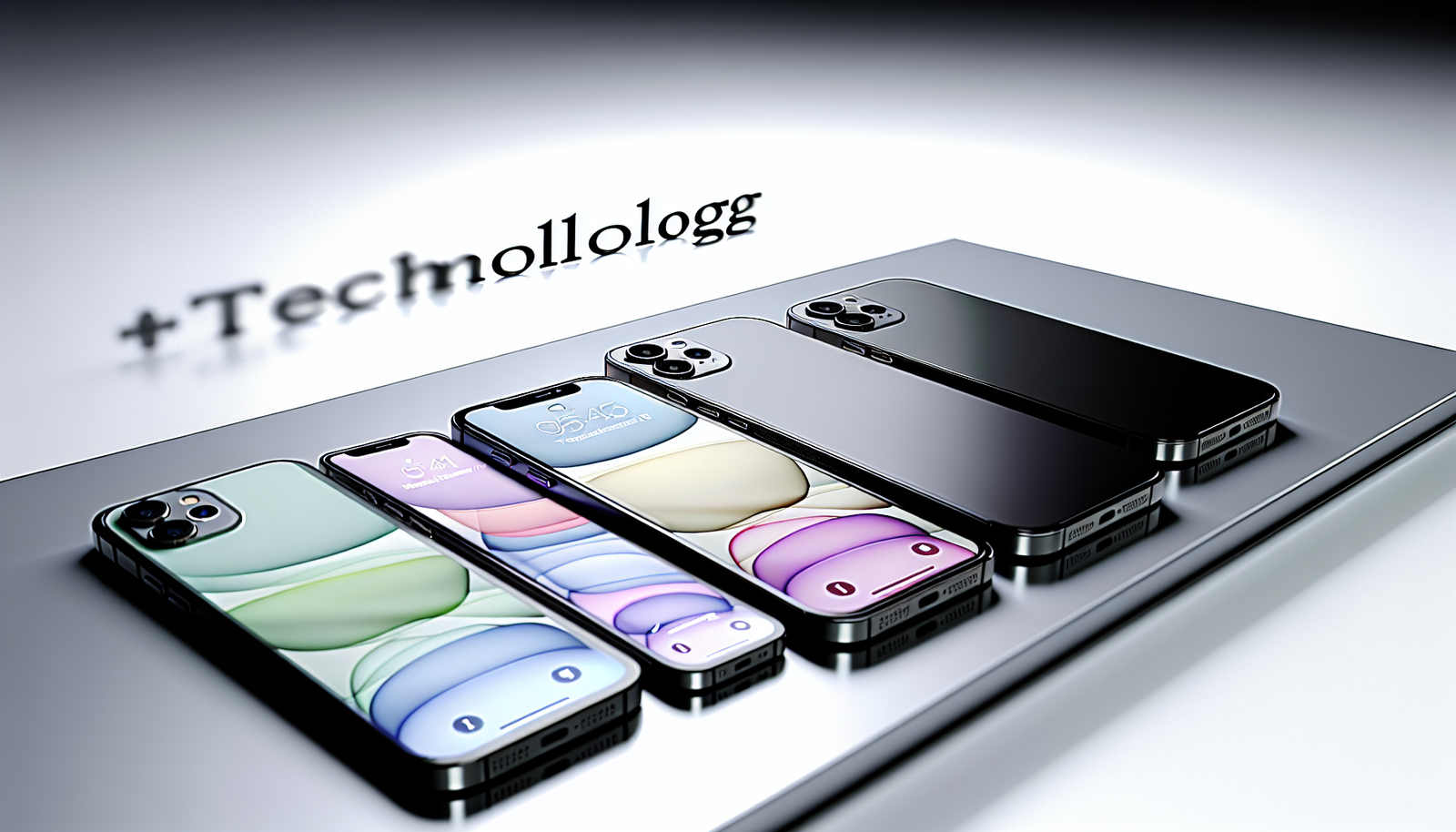
The iPhone 14 and iPhone 14 Plus introduced a fresh direction for Apple’s flagship smartphone lineup, capturing attention with a thoughtfully curated mix of proven features and strategic advancements. Gone is the compact Mini model; in its place, the iPhone 14 Plus steps onto the stage with a generous 6.7-inch Super Retina XDR display, while the standard iPhone 14 continues the tradition with a 6.1-inch screen, offering users a choice that emphasizes immersive viewing without compromising on portability or clarity.
Both models present a familiar yet subtly refined aluminum-and-glass chassis, bisected with smooth edges and deep integration between hardware and iOS. Storage options remain expansive, ranging from 128GB to 512GB, and RAM has been standardized at 6GB—up from the 4GB in previous non-Pro variants. This improvement ensures greater multitasking fluidity and headroom for resource-intensive apps, embodying Apple’s continued commitment to responsiveness and longevity.
In response to user preference and global style trends, the iPhone 14 and 14 Plus are available in a lively palette of colors, including Midnight, Starlight, Blue, Purple, Product(RED), and, in select cycles, Yellow—expanding self-expression for Apple’s diverse user base. Design tweaks, though subtle, improve durability and ergonomics, keeping these devices firmly in step with the expectations set by earlier generations.
A standout innovation is Emergency SOS via satellite, enabling users to contact emergency services even outside cellular coverage, a breakthrough in personal safety for adventurers and travelers. Enhanced 5G connectivity, Wi-Fi 6 support, and Deep Fusion computational photography are just some facets of the upgraded connectivity matrix. In embracing larger screens, intelligently allocating memory, and introducing meaningful safety features, the iPhone 14 and iPhone 14 Plus represent Apple’s commitment to practical evolution over purely aesthetic change.
Design, Hardware, and User Experience
The iPhone 14’s design subtly evolves Apple’s established aesthetic, preserving the recognizable flat-edge aluminum frame while refining durability and tactile comfort. The familiar Ceramic Shield front offers improved resilience, but it’s the careful material choices—slightly thicker glass, better aluminum alloy, and precision-machined contours—that communicate Apple’s commitment to both elegance and everyday usability. Compared to earlier models, such as the iPhone 12 or 13, the iPhone 14 retains a near-identical profile, yet inconspicuous changes—like the minimized notch and slightly lighter feel—enhance both visual and ergonomic appeal.
Internally, the iPhone 14 introduces more significant shifts. Upgraded RAM—now at 6GB in both the standard and Plus variants—marks a leap from previous non-Pro generations. This additional memory substantially boosts multitasking, enabling more persistent app sessions and smoother navigation, while also laying the groundwork for long-term software support. Internal layout modifications also factor into improved thermal management, which helps sustain peak performance during intensive gaming or video processing. Apple’s engineering rearrangement optimizes battery replacement procedures, hinting at increased repairability in response to both regulatory pressure and user demand.
A pivotal hardware change comes in the US-exclusive move to eSIM-only configurations. By removing the physical SIM tray, Apple both streamlines the device’s external surfaces and nudges users into the next era of carrier flexibility and security. Though initially disruptive for some travelers and SIM-swappers, this step is a strategic realignment toward global digital identity management.
Camera hardware receives targeted enhancements: larger sensors, improved low-light performance, and Photonic Engine processing. These refinements go beyond megapixels, empowering richer color reproduction, more reliable autofocus, and superior consistency across everyday photography scenarios. Each choice, from the eSIM adoption to RAM expansion, signals an Apple seeking to quietly revolutionize the user’s experience, sometimes beneath the surface, but always prioritizing real-world functionality and satisfaction.
The iPhone 14’s Place in Apple’s Legacy
In examining the broader arc of Apple’s smartphone evolution, the iPhone 14 stands as a testament to the company’s mature yet ever-adaptable philosophy. Apple’s legacy is not simply built on radical overhauls but on calculated, meaningful progress—an approach the iPhone 14 encapsulates. Beyond the refinements in design and hardware already discussed, the iPhone 14 reveals how Apple reads the pulse of consumers, regulations, and emerging expectations, then responds in ways few rivals manage.
One of the distinguishing elements of the iPhone 14’s place in Apple’s lineage is its deft balance between innovation and the trusted functionality that users count on. While not a dramatic leap in form factor or interface, the iPhone 14 introduces smart, future-oriented shifts—like Emergency SOS via satellite and Crash Detection—that underscore Apple’s ongoing pivot towards personal safety and well-being, broadening what “smartphone” means in people’s lives. These features prove Apple is attentive to the evolving definitions of utility and security, responding to both real-world needs and the tightening frameworks of global regulation around digital safety and accessibility.
This practical innovation ethos finds resonance in the way the iPhone 14 sets a foundation for future Apple devices. By normalizing features such as eSIM-only connectivity, the iPhone 14 signals a departure from legacy hardware dependencies, potentially streamlining manufacturing and opening doors for global expansion. Similarly, the introduction of more sustainable materials and improved repairability reflects Apple’s willingness to adapt to both environmental expectations and legislative changes worldwide, signaling a future where technology and responsibility are even more tightly interwoven.
As such, the iPhone 14 isn’t a disruptive revolution in isolation. Rather, it is a deliberate cornerstone—bridging Apple’s iconic past and the ambitions of its future—by foregrounding a blend of innovation, adaptability, and user-centric faithfulness.
Conclusions
The iPhone 14 stands as a testament to Apple’s relentless pursuit of innovation, seamlessly blending advancing technology with user-focused design. Tracing its roots from the groundbreaking first iPhone, the 14th-generation model exemplifies the evolving needs of consumers. As the iPhone continues to lead the global smartphone market, it cements Apple’s reputation for shaping the future of mobile connectivity.
Welcome! For more in‑depth product and tech reviews, visit homepaw shub .
 Email Submit Button: “Get Free Guide Now”
[…] how these assistants compare to Apple’s evolution? See our iPhone 16 future guide or look back at the iPhone 14’s evolution for lessons on ecosystem lock-in and […]