

garden room ideas are transforming outdoor spaces, but most homeowners underestimate what’s required to create a lasting, functional retreat. If you want a reliable garden room that survives the elements and truly adds value, forget the “install in a weekend” hype—get realistic about design, construction, and care.
Key Takeaways
- Building a garden room requires detailed planning, robust materials, and ongoing maintenance to maximize lifespan and value.
- Poor insulation, inadequate waterproofing, and weak foundations are the most common—and costly—mistakes to avoid.
- Repurpose your garden room for an office, gym, or sanctuary—just ensure you follow expert steps for weatherproof design and easy upkeep.
- What Is a Garden Room and Why Should You Consider One?
- How to Build a Functional Garden Room (Step-by-Step)
- Advanced Analysis: Problems, Pitfalls, and Pro Fixes
- Conclusion: Is a Garden Room Right for You?
- Garden Room FAQ
What Is a Garden Room and Why Should You Consider One?
A garden room is a stand-alone, insulated structure in your yard—purpose-built for anything from a tranquil retreat and home office to a creative studio or gym. Unlike sheds, true garden rooms are designed for year-round use with solid foundations, weatherproof walls, electricity, and proper insulation. They bridge the gap between outdoor living and indoor comfort.
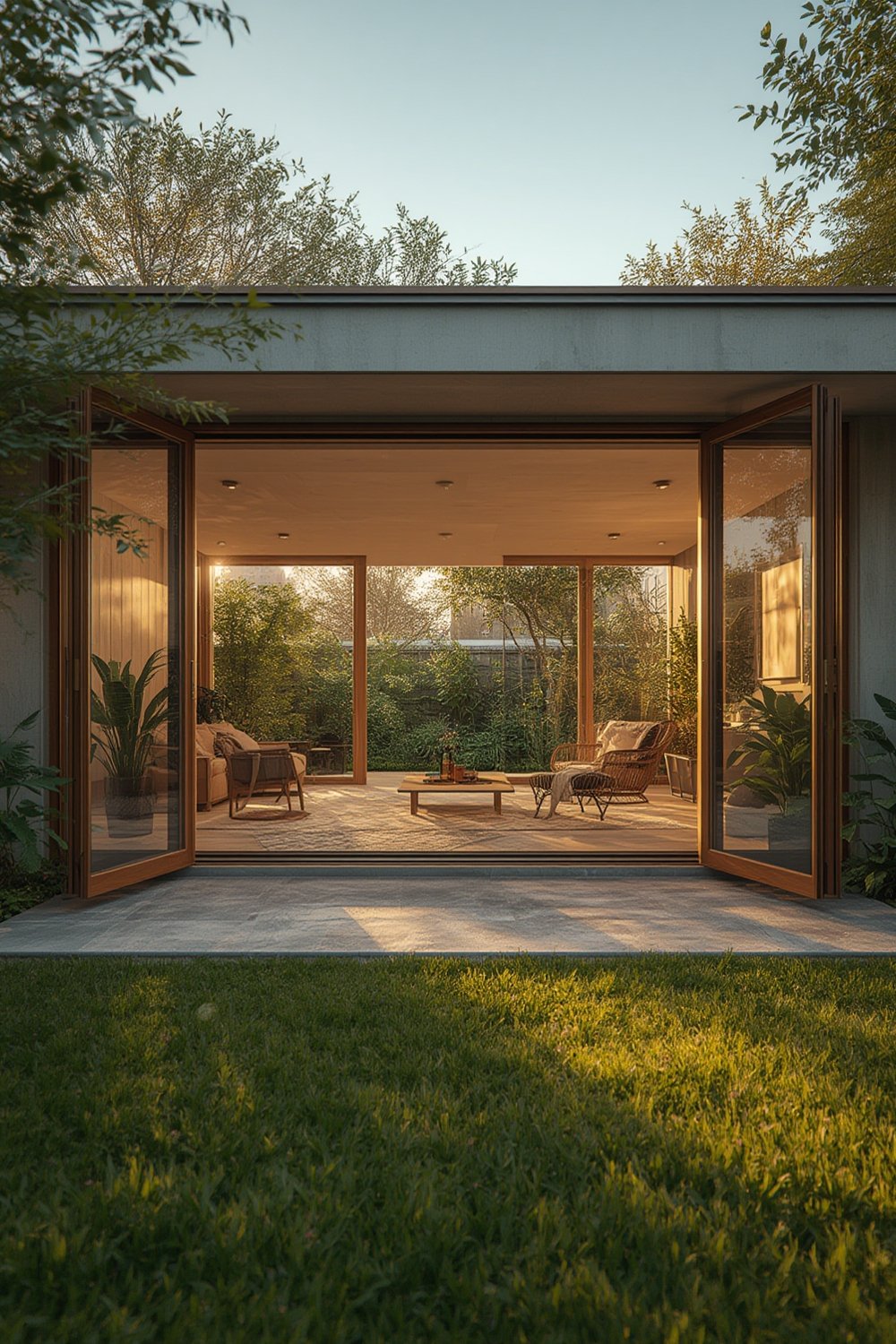
People choose a garden room for versatility. You can create a meditation space, remote work setup, guest bedroom, or a soundproof hobby studio—all just steps from your back door. With the right approach, you can avoid common issues like condensation, rapid material decay, or “shed syndrome,” where a build looks outdated or needs full repairs after only a few years.
Leading real estate agents say quality garden rooms can increase property attractiveness and function, but only if built to last. Poor construction or basic models won’t deliver ROI or daily enjoyment. Source
For further inspiration, check out our guide to vertical garden transformations, or see how to create a cottagecore garden for a whimsical outdoor oasis.
How to Build a Functional Garden Room (Step-by-Step)
Skip the “one size fits all” kits. A durable garden room requires a staged, practical process—whether you DIY or hire professionals.
- Define Your Purpose and Location
- Decide if you need an office, gym, meditation space, or multipurpose room—more design flexibility means extra complexity.
- Choose a spot with natural shade (for cooling) and privacy. Avoid low-lying, damp ground or close proximity to trees with aggressive roots or heavy debris drop. For backyard layout ideas, see our landscaping guide.
- Check Local Regulations
- Every market has unique permit and building code rules: don’t assume you can build anything, anywhere. In the UK and most US cities, under-30m2 garden rooms often don’t require planning permission, but rules on maximum height, proximity to boundaries, and utilities vary. Double-check insulation standards and foundation requirements before you start.
- Plan the Foundation
- Concrete slab and ground screws are the most robust options. Bare timber bases or slabs without drainage invite decay and shifting. Insist on level, well-drained footings.
- Select Your Structure and Materials
- High-quality pressure-treated timber, SIPs (structural insulated panels), or steel frames deliver the longest lifespan (25–30+ years with proper care).
- Roof: Go for EPDM or GRP with correct installation and overhangs for runoff control. Metal roofs need rust-proof coatings.
- Walls/Cladding: Composite needs less maintenance than wood. Wood requires pressure treatment or sealing every 1–2 years. See more on maintenance issues in Section 3 below and this in-depth maintenance guide.
- Insulation and Moisture Control
- Insulation is critical: use rigid board in floors, walls, and ceilings. Line with moisture barriers. Add passive vents or small extractor fans to prevent condensation.
- Utilities – Power, Data, Heating
- Run armored cables from the house for electricity (hire a qualified electrician).
- Underfloor heating or electric panel heaters extend year-round use. Add CAT6 cables for home offices. Consider a Wi-Fi 7 mesh system for seamless connection—see our Wi-Fi 7 smart home routers guide for setup tips.
- Finishing Touches: Windows, Doors, Decor
- Install high-quality, double-glazed windows and secure doors. Use UV-protective finishes to minimize fading and damage.
- Add layered lighting, soft window coverings, and flexible furniture to suit multiple uses. For more decor inspiration, check our cozy home decor ideas.
- Maintain and Inspect Regularly
- Wash exterior cladding every season. Reseal or repaint wood every 1–5 years, depending on exposure. Clean gutters and check roofs and foundations annually for leaks or cracks.
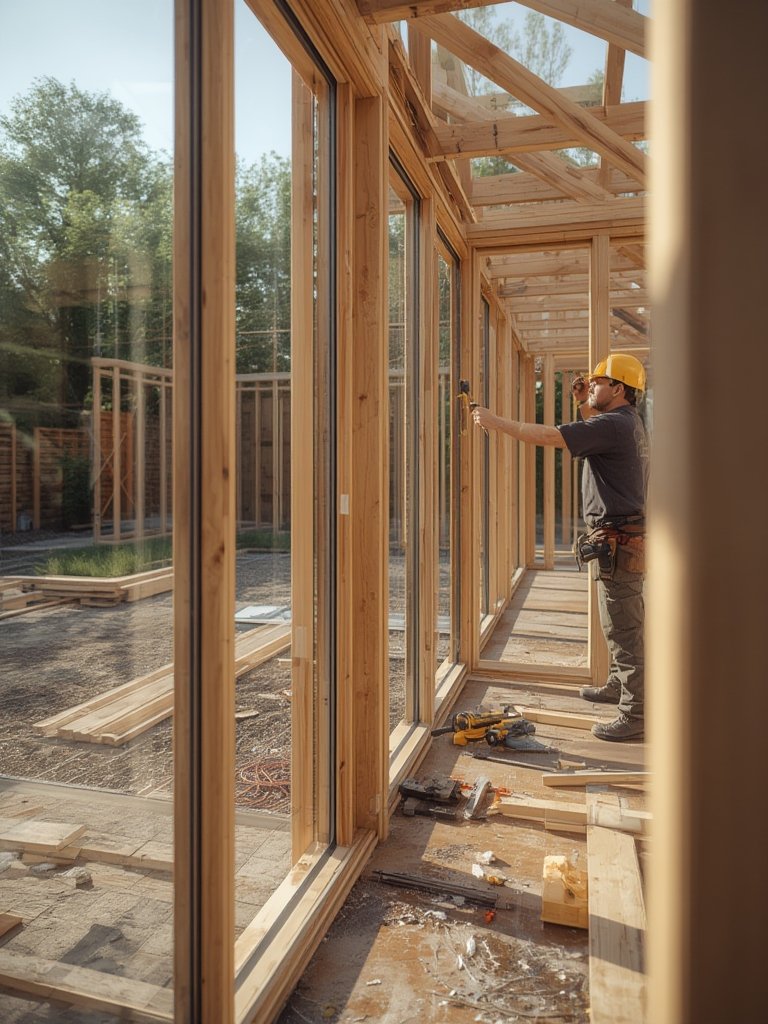
For the ultimate low-hassle backyard upgrade, consider integrating smart features like a smart irrigation system to maintain adjacent landscaping or installing smart vents for home climate control.
Advanced Analysis: Problems, Pitfalls, and Pro Fixes
Most garden room failures trace back to neglected details or poor installation. Here’s what goes wrong most—and how to fix or prevent it:
| Issue | Common Cause | Best Solution |
|---|---|---|
| Material Decay (rot, mould, fading) | UV, moisture, neglect, unsealed joins | Routine resealing, UV coats, annual washing, proper drainage |
| Roof Leaks (punctures, pooling) | Flat/inadequate slope, debris, poor seals | Install with 2–5% slope; inspect seals, clear gutters quarterly |
| Condensation/Musty Air | Too airtight, no ventilation, poor insulation | Add wall vents or extractor fans, upgrade insulation |
| Foundation Shifting/Cracks | Basic slab on soft ground, tree roots | Choose site away from big roots, use ground screws/concrete blocks with proper drainage |
| Paint Peeling/Seal Failure | Low-grade paint, sun, moisture ingress | Invest in exterior-grade paint, touch up as soon as cracks appear |
| Door/Window Warping or Sticking | Seasonal expansion, misalignment, cheap frames | Use quality frames/hardware, check alignment annually |
| Continuous Repairs Needed | Low-grade DIY kits, skipped prep | Do it right once—professional install, premium materials save cost long-term |
Longevity depends on methodical construction and scheduled upkeep—no shortcuts. As studies show, neglecting maintenance can slash a garden room’s lifespan by a decade or more. Get regular inspections for rot, cracking, and leaks, and act on even minor issues to avoid major headaches later.
Roofing choice is critical. Research highlights recurring issues with edge leaks on EPDM, hairline cracks in GRP, and corrosion with uncoated steel, so prioritize pro-grade roofing and gutter cleaning. If you’re adding power and automation, don’t forget to build in surge protection for electronics. For more tips on whole-home upgrades, see our guide: smart home improvement tips.
Conclusion: Is a Garden Room Right for You?
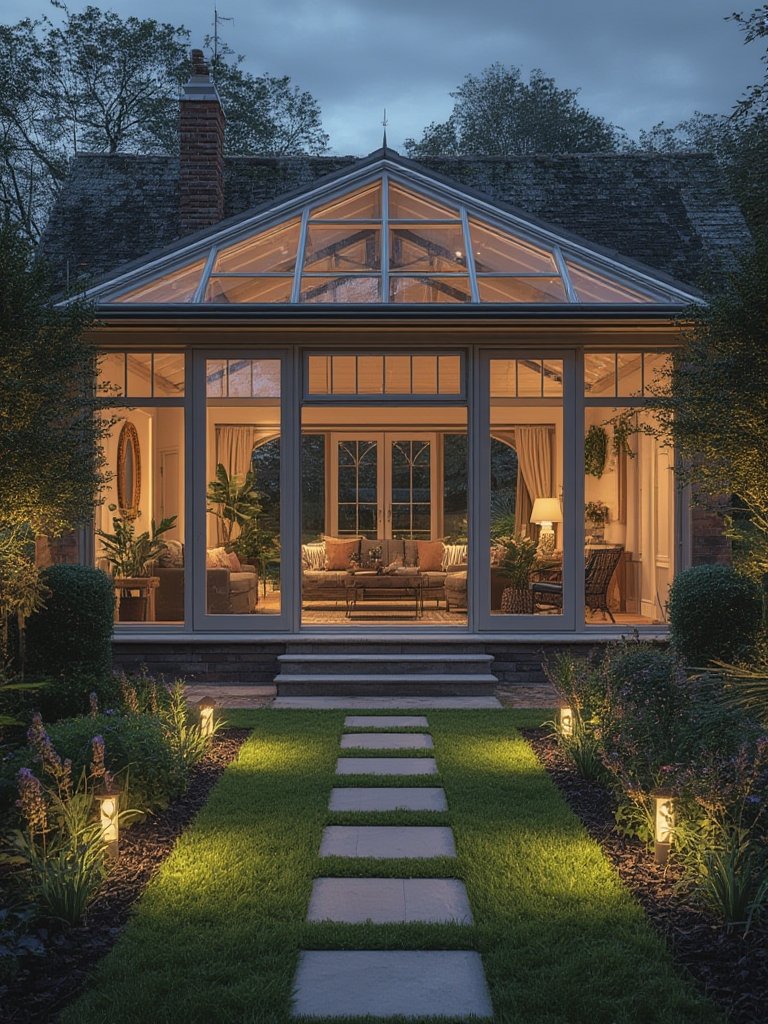
A well-designed garden room doesn’t just give you more space—it unlocks day-to-day comfort and long-term value. But it comes with real responsibility: smart planning, robust materials, and honest maintenance are non-negotiable. Skip the shortcuts, and you’ll enjoy a flexible, private retreat that stands up for decades. If you’re serious about boosting your outdoor lifestyle, a garden room is a proven upgrade—just invest wisely, research your options, and commit to expert-level execution from the outset.
Ready to transform your space? Start planning your custom garden room today and get more from every season—and every sunrise—in your own backyard. For more outdoor innovation, explore our expert guides to edible landscaping or discover inspirational meadow garden ideas for pollinator-friendly yards.
Garden Room FAQ
How long should a garden room last with proper care?
With quality materials, professional construction, and seasonal maintenance, a garden room often lasts 25–30+ years. Key actions include resealing wood, inspecting roofs, and fixing problems swiftly. Learn more.
Do I need planning permission to build a garden room?
Usually, if your garden room is under 30m2 and under 2.5m tall (UK example), planning permission isn’t required. But local codes vary—check height, boundary, and use rules before starting construction.
What are the biggest maintenance headaches for garden rooms?
Major issues include roof leaks, timber rot, condensation, poorly aligned doors/windows, and frequent repainting. Choose composite cladding or pressure-treated wood, schedule annual inspections, and treat for mould to minimize problems.
Can I use a garden room as a full-time office or studio?
Yes, but only if it’s insulated, weatherproofed, and equipped with proper power and data. Add heating, cooling, and reliable internet for year-round office comfort—see our Wi-Fi 7 router tips for connectivity ideas.
Which type of foundation is best for a garden room?
Concrete slab and ground screw footings offer the most durability and resistance to movement. Avoid basic timber bases unless raised and treated for damp conditions.