

### Blog Post:
Miyawaki forest planting is a fast, high-density way to transform small urban spaces into mini-forests, promising rapid growth and biodiversity, but what does the science and real-world experience actually show? If you want to jumpstart urban greening on almost any patch of ground, read on for a gritty, realistic guide making sense of the hype—plus exact steps, warnings, and tips for your own project.
Key Takeaways
- Miyawaki forests grow up to ten times faster than traditional plantings but require more resources early on.
- Survival rates and biodiversity can be higher than conventional approaches, but there are few hard numbers and no clear cost benchmarks in 2024.
- Success depends on choosing truly native plants, prepping soil deeply, and managing intense first-year care—skipping these steps usually leads to failure.
The Core Concept
The Miyawaki method is a proven approach for creating dense, fast-growing urban forests using a mix of native species packed close together. Invented by Japanese botanist Dr. Akira Miyawaki, this technique aims to jumpstart natural succession by reconstructing the “potential natural vegetation” of a site—meaning you figure out which plant community would naturally thrive there, then assemble and plant 20-30 native trees and shrubs in a tight cluster. Competition and density speed up growth, while multi-strata planting creates a mini-ecosystem in just a few years.
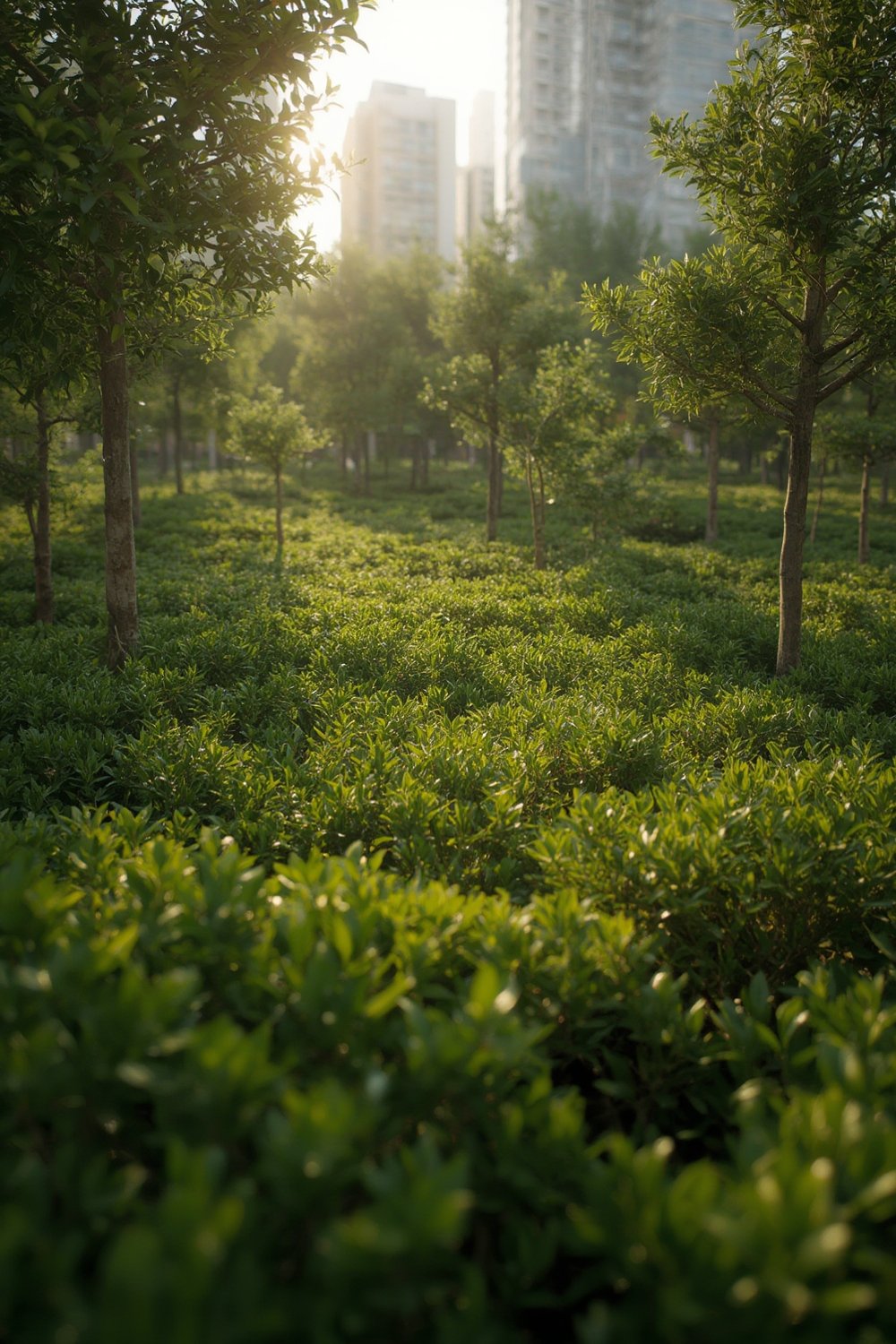
Unlike meadow gardens or lawn alternatives which focus on groundcover, Miyawaki forests seek to build a layered woodland canopy rapidly. The heavy focus on locals-only (no exotics) aims to maximize local biodiversity for pollinators and birds. While the method is often called “tiny forest” in the West due to typical plot sizes (as small as a tennis court), it scales up for larger projects.
This method became a global movement as cities from India to the UK seek ways to restore green cover, manage stormwater, and create wildlife islands amid urban sprawl. Studies confirm that Miyawaki plots usually surpass the initial number of plant species planted, yet detailed side-by-side biodiversity stats for Miyawaki versus classic park landscaping remain scarce—especially over decades.
If you want to attract pollinators or improve home ecosystem value, the Miyawaki method shares some core principles with building a native plant garden for pollinators, but ups the challenge and benefit by working vertically as well as horizontally.
Step-by-Step Guide
Setting up a Miyawaki forest is intense—but possible for dedicated DIYers with the right plan and perseverance. Use this step-by-step process for best results:
-
Map Your Site and Survey Soil
Plot your available area and check for sunlight, water access, buried lines, and soil texture. Miyawaki calls for deep, loose soil rich in organic matter. Old construction sites may need remediation. -
Identify True Natives for Your Local Region
Consult academic floras, herbarium records, or regional restoration guides—not just nursery stock. Aim for at least 20-30 different species spanning canopy, understory, and shrub/treelet layers. -
Deep Soil Preparation
Mechanically loosen soil to at least 1 meter if possible; remove debris. Mix in compost, well-rotted leaf litter, or decomposed wood—never use artificial fertilizers or exotics. -
Intensive, High-Density Planting
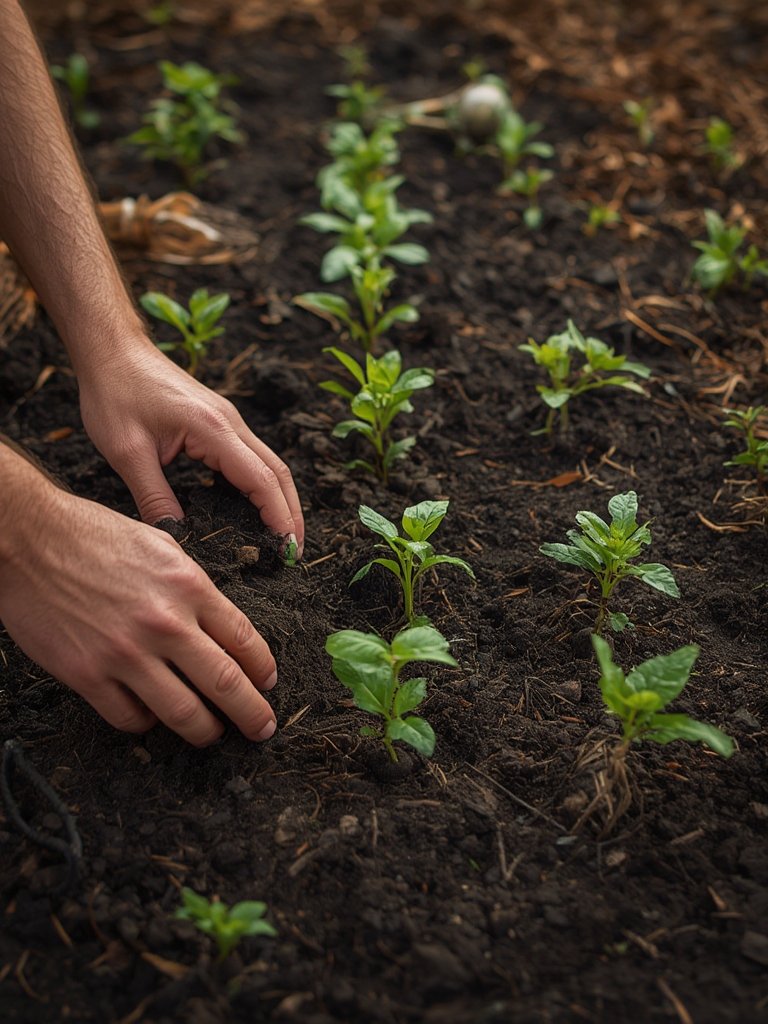
Plant 3-5 young saplings per square meter, mixing species for maximal diversity. This creates competition that prompts fast vertical growth and mini forest structure. -
Mulch Heavily
Cover the entire surface with a thick organic mulch (wood chips, shredded leaves). This conserves water, boosts soil life, and mimics a natural forest floor. -
Water and Weed Aggressively for 2-3 Years
Miyawaki plots need regular watering—especially the first dry season. Be ready to replace failed plants and weed manually until the canopy closes. -
Monitor, Adjust, and Enjoy Rapid Change
Keep records and photos. Rarely prune. After two to three years, routine maintenance drops as the canopy shades out weeds and stabilizes moisture and temperature.
Tip: If you want even more sustainable landscaping, integrate a rain garden or smart irrigation system nearby to harness runoff and cut irrigation needs—both approaches pair perfectly with a Miyawaki site.
If your space is too small for clustering trees, consider a vertical garden for similar ecosystem benefits on a wall or balcony.
Advanced Analysis & Common Pitfalls
While Miyawaki forests have become a go-to answer in urban reforestation circles, results can be mixed and few studies offer concrete side-by-side measurement after the forests mature. Here’s what current research and expert feedback actually show:
| Aspect | Miyawaki Forest | Standard Urban Planting |
|---|---|---|
| Planting Density | 3–5 saplings per m², 20–30 native species | Much lower density, fewer species |
| Growth Speed | Up to 10x faster, canopy forms in 3–5 years | Slow (10+ years for canopy) |
| Survival Rates (2022 drought) | Average 79% | 47% |
| Maintenance (Years 1–3) | High—weed and water often; replant losses | Lower, but slower payoff |
| Biodiversity (after 5–20 years) | No solid head-to-head numbers, but likely higher if true locals are used | Lower, species-poor monocultures common |
| Establishment Cost (2024) | 3x higher due to sapling density; no standard cost data available | Low, routine budgets |
Common Pitfalls
- Underestimating Labor and Watering: The dense planting means more maintenance at first—if you skip weeding or watering, mortality skyrockets.
- Poor Plant Sourcing: Using big-box nursery “natives” can introduce non-local genetics and undercut ecosystem value.
- Ineffective Soil Prep: Trying to “shortcut” the deep digging step usually leads to poor results, stunted trees, and weedy messes. Urban soils are often compacted or polluted—sometimes requiring major amendment or even clay busting.
- Misreading Site Context: If the patch suffers consistent shade, foot traffic, or regular vandalism, plan more robust species or flexible fencing until establishment.
- Unrealistic Expectations: While some sites reach “woodland” canopy in 10–20 years (compared to a century for natural succession), crew time and costs can limit scaling—and no DIY technique is completely hands-off after three years.
Localized trials shared by Natural England and World Economic Forum report promising initial growth, but cite challenges with vandalism, drought, and costs that remain unsolved for larger-scale rollouts in cities.
Consider pairing your project with expert urban design and sustainable infrastructure ideas from our sustainable urban development guide for better long-term outcomes and integration with neighborhood planning.
Conclusion
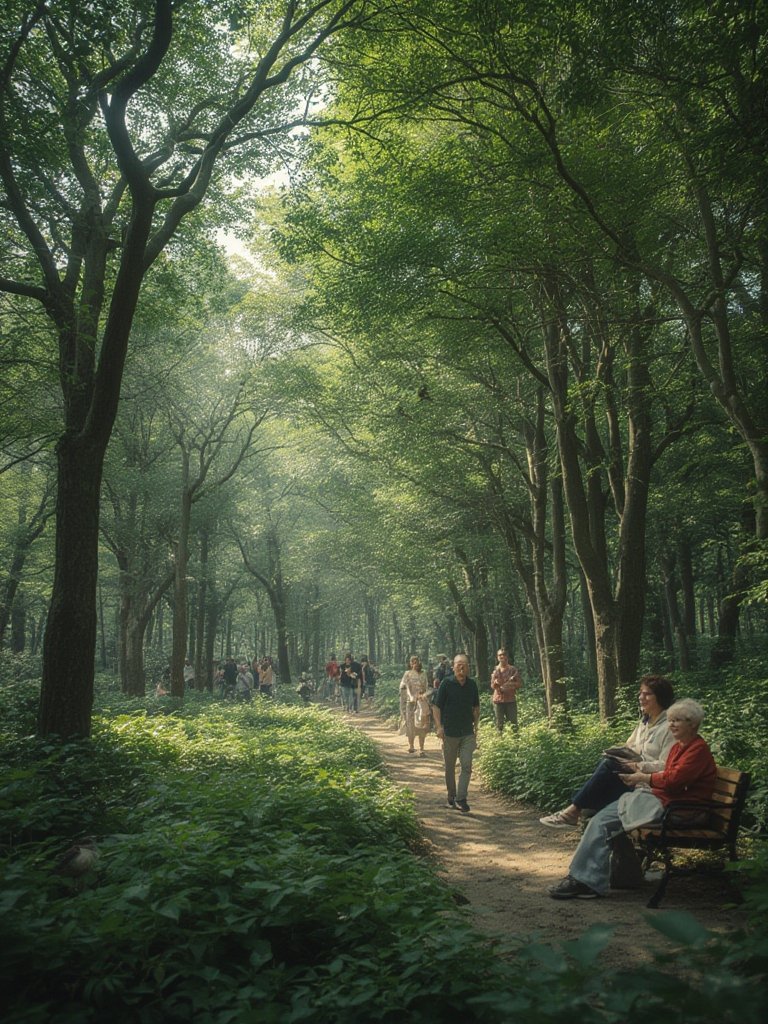
Planting a Miyawaki forest isn’t a silver bullet, and it’s not suitable for every plot—but it’s a proven, powerful technique to restore urban biodiversity, lock up carbon, and build green islands at astonishing speed when executed right. Embrace the method’s demand for prep and early maintenance, team up with local experts, and you could help shift your city’s ecosystem for generations. Want more practical landscape how-tos for real-world yards and public spaces? Explore our guides on native plants for pollinators, edible landscaping, and cottagecore gardens for inspired next steps. Start small, plan ahead, and see if the Miyawaki forest method is the breakthrough your urban patch needs. Ready to plant? Take your first step today—your neighborhood birds (and future you) will thank you.
FAQ
How much does it cost to plant a Miyawaki forest in 2024?
No standardized figures exist—costs are usually 3x higher than standard urban tree plots due to the greater density, but total prices per square meter or region are unreported. Expect higher initial investment mainly for saplings and site prep.
How quickly does a Miyawaki forest mature?
Most Miyawaki mini forests create dense canopy in 10 to 20 years—a dramatic speed-up compared to the 100–200 years required for natural regrowth. You’ll see significant vertical growth and shade within three to five years if all steps are followed.
Do Miyawaki forests need irrigation and maintenance after three years?
First-year to third-year care is intensive—watering and weeding are non-negotiable for success. After canopy closes, the forest typically becomes self-sustaining with very limited intervention.
Can the Miyawaki method be used in small home gardens?
Yes, but only if your site is at least the size of a parking space. Growers with only a balcony or wall should look into installing a vertical garden instead for similar biodiversity benefits.
Do Miyawaki forests attract more birds and pollinators than regular urban plantings?
No rigorous, long-term head-to-head studies specify numbers, but increased native species density and structural diversity usually attract more local wildlife compared to conventional turf or exotic shrub plantings.
 Email Submit Button: “Get Free Guide Now”