

Permeable paving is rapidly transforming driveways, patios, and community spaces by slashing stormwater runoff, replenishing groundwater, and solving urban flooding issues. But is it really all upside, or are there hidden drawbacks, real-world challenges, and technical nuances you need to know before investing?
Key Takeaways
- Permeable paving reduces stormwater runoff by up to 90%, directly addressing flooding and water pollution in cities and homes (source).
- Durability, effective maintenance, and site soil conditions are critical for long-term function—poor planning can waste your investment.
- Many US cities and the EPA now require permeable surfaces for permits, with tax credits and runoff fee reductions speeding up return on investment.
- What Is Permeable Paving and Why It’s Essential
- How to Install Permeable Paving: Step-by-Step
- Advanced Analysis & Common Pitfalls
- Conclusion
- FAQ
What Is Permeable Paving and Why It’s Essential
Permeable paving is a high-performance hardscape solution using open-joint pavers, pervious concrete, or porous asphalt to let rainwater pass through the surface and soak naturally into the underlying stone drainage bed and soil. Unlike concrete or asphalt that create runoff, these eco surfaces manage rainfall onsite, trap pollutants, recharge groundwater, and help prevent urban flooding.
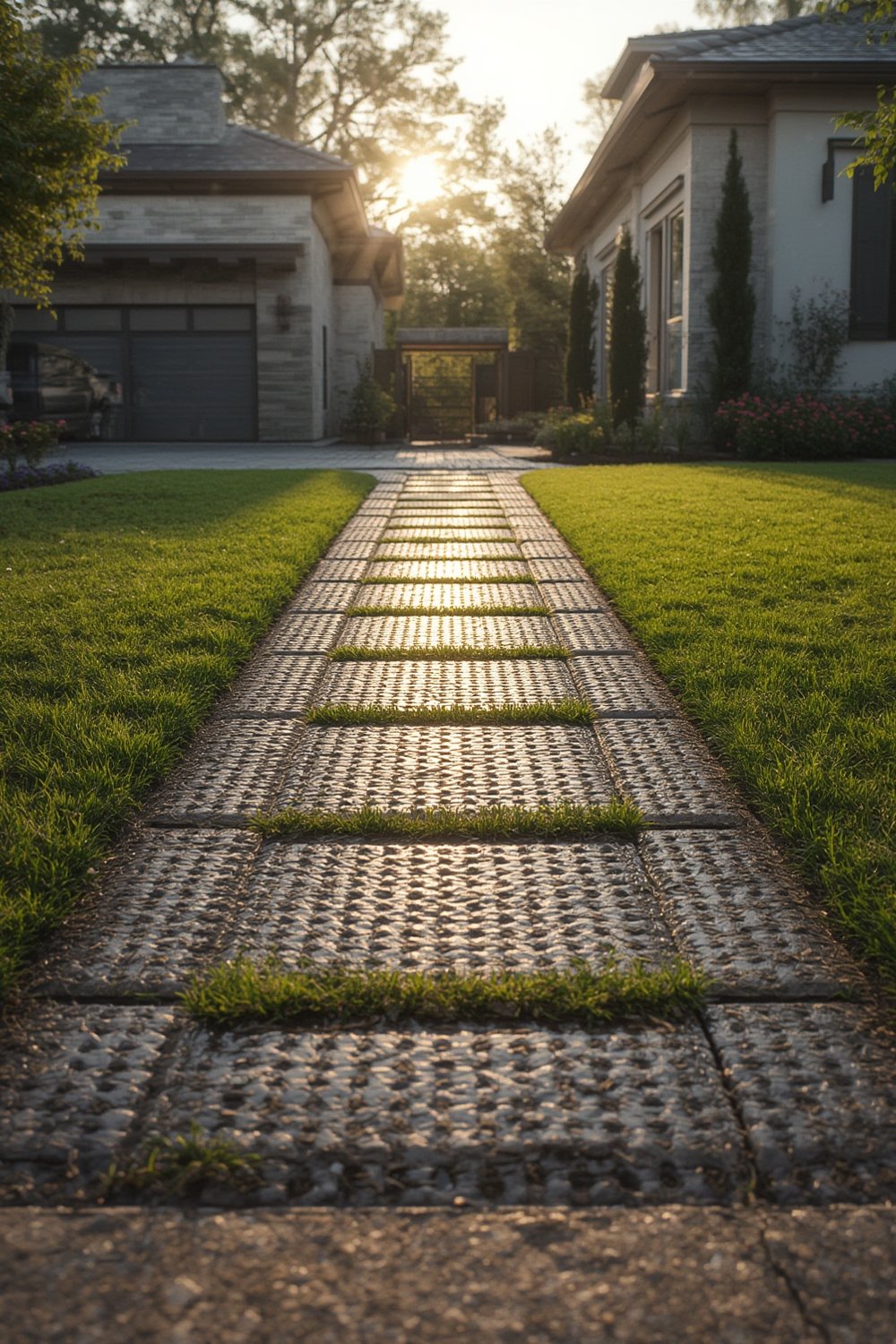
With climate change bringing more severe storms and city regulations pushing stormwater management, permeable paving is now favored for driveways, patios, parking lots, and even streets. Advanced systems can reduce runoff by 75–95%, filter up to 95% of suspended solids, and cut down on heat islands (source).
Unlike many lawn alternatives or rain gardens, permeable paving offers curb appeal that stands up to vehicle or foot traffic, while still being a backbone of modern green infrastructure. Recent innovations—like high-strength pavers and color-stable finishes—provide both heavy load capacity and 15+ years of consistent color without routine sealing (source).
How to Install Permeable Paving: Step-by-Step
Proper installation makes or breaks a permeable system—here’s how to get it right, from design to first rain.
- Site Assessment & Permits: Check your municipal regulations—many US cities now require at least 30% permeable coverage for new parking pads. Get permits and, if needed, tap into incentives like stormwater fee credits (ask your city public works office).
- Soil Prep & Modification: Excavate to a minimum design depth (usually 12–18 inches). In clay-dominated soils, replace subgrade with free-draining aggregate, or install an underdrain to connect to stormwater infrastructure.
- Base Layer Installation: Lay a thick layer of open-graded crushed stone (limestone aggregates are best for removing TSS pollutants). Compact well—this is your main drainage reservoir.
- Setting Bed: Use smaller angular stone or specialty bedding sand. For high-strength commercial systems, opt for polymeric joint sand achieving 1,000+ inches/hour permeability.
- Paver or Surface Laying: Install permeable pavers, open-cell concrete grids, or pour pervious concrete as designed. Fill joints with clean, crushed stone, not regular sand, to avoid clogging.
- Edge Restraints & Finishing: Secure with metal/plastic edgers. Check for level and surface stability.
- Inspection & Maintenance Plan: Schedule annual vacuuming/blowing of debris in high leaf areas. For driveways, monitor for rutting or settlement after the first season.
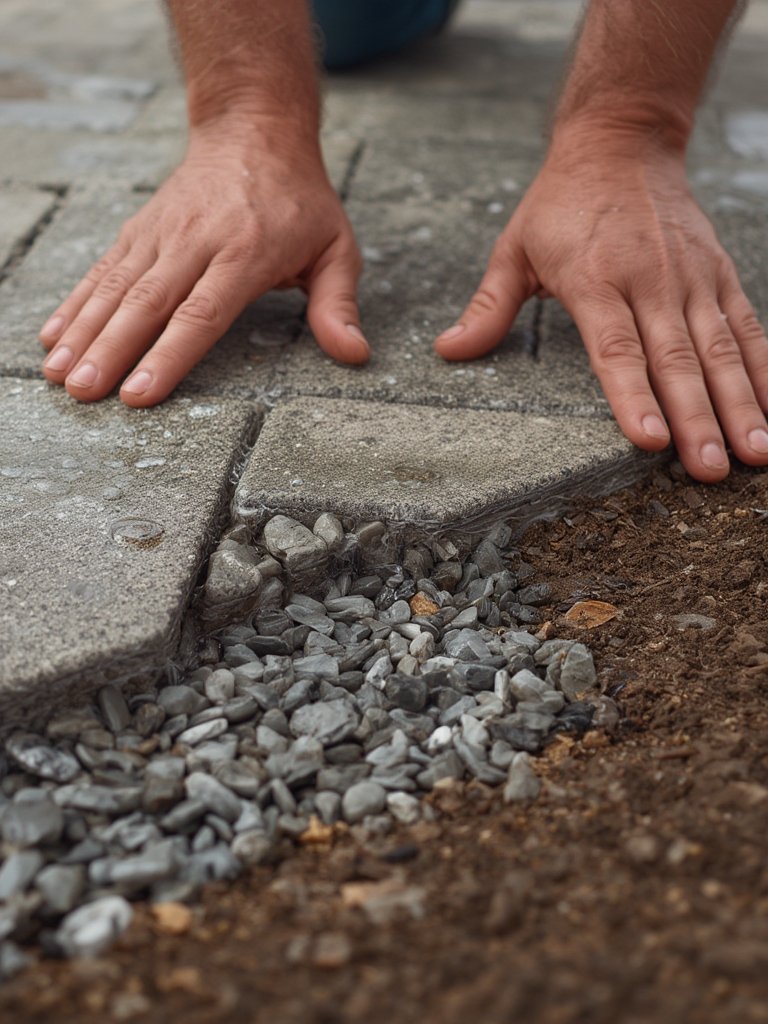
Ready to go bigger? Integrate your paving with a rain garden, smart irrigation system, or pair with drought-resistant plants for an ultra-resilient, low-water landscape.
For those in colder regions: review freeze-thaw cycles and push snow using only plastic snow shovels or snow blowers (never metal blades). This preserves surface integrity.
Advanced Analysis & Common Pitfalls
No solution is one-size-fits-all—even permeable paving. Below is an unvarnished look at the most common issues, actionable fixes, and how different materials compare.
| Material/Type | Infiltration Rate | Load-Bearing Capacity | Freeze/Thaw Resistance | Notes |
|---|---|---|---|---|
| Permeable Pavers/PICP | Up to 1,000+ in/hr | >5,000 psi (with modern mixes) | Some concerns; site prep vital | Residential + light commercial. Outstanding for patios/walkways. Relies on correct base. |
| Pervious Concrete | Dependant on aggregate | >5,000 psi | Vulnerable in deep freeze climates | Best for driveways, parking pads. Fastest market growth, more maintenance needed. |
| Porous Asphalt | N/A listed | Max load 8–10 tons | Stability concerns in winter | Perfect for low-traffic zones, less for commercial trucks/large RVs. |
- High Installation Cost: Upfront cost is 20–50% higher than regular paving, due to aggregate base and specialty labor. ROI takes 3–5 years but is improved with tax incentives and stormwater credits (source).
- Clogging & Maintenance: Neglected leaves, silt, or winter de-icing sand clog paver joints and base, leading to surface flooding or ice sheets. Yearly power vacuuming or leaf blowing is required—far more frequently than typical patios.
- Cold Climate Limitations: Rapid freeze-thaw cycles can heave or crack surfaces, especially with improper base construction. Always over-engineer the sub-base and use materials suited to your climate.
- Soil Limitations: If your native soil is heavy in clay (infiltration rates less than 0.5 in/hr), you’ll require expensive soil modifications or a collector drain to storm sewer for consistent performance.
- Heavier Load Issues: Standard permeable systems are not made for repeated, heavy truck traffic (8–10+ tons). For home garages or RV pads, specify high-strength, innovative pavers or reinforced permeable concrete.
- Color Longevity: Older paver systems could fade; however, top brands now offer color-stable formulations rated for 15+ years without sealing (source).
If you’re also considering larger sustainable projects, review the sustainable urban development guide for more tips on green infrastructure integration.

Conclusion
Permeable paving offers dramatic stormwater and environmental benefits, proven durability, and modern curb appeal—especially where city codes and climate changes require more sustainable solutions. Realistically, success depends on proper installation, ongoing maintenance, and choosing materials that fit your climate and site. With new advances in strength and fade-resistance, it can be a smart investment if you avoid common pitfalls.
Ready to level up your landscape or comply with stormwater rules? Consider how permeable paving fits your home, climate, and sustainability goals—then consult with a certified installer to get started.
FAQ
How much more does permeable paving cost compared to regular concrete or asphalt?
Expect to pay 20–50% more upfront, mostly due to the engineered gravel base and specialty labor. Costs vary by region, size, base depth, and chosen paver or surface style. Return on investment may speed up with city incentives or stormwater fee reductions.
What’s the most common failure with permeable paving at home?
Surface clogging from leaves, silt, or nearby construction debris is the main culprit. Regular maintenance—especially vacuuming or leaf blowing—keeps infiltration rates high and reduces flooding risk.
Does permeable paving work in cold climates?
It can, but is sensitive to poor installation and freeze-thaw cycles. Always use more robust aggregates for the base, and never use metal snow shovels, which can damage the surface. Annual inspection is critical.
Are there incentives or tax breaks for permeable paving in the US and Canada?
Yes. In many major US cities, incentives include stormwater fee credits, density bonuses for green development, and sometimes even direct rebates. Check with your local public works or EPA Regional Office for current programs.
Which is better: permeable pavers or pervious concrete for driveways?
Permeable pavers usually offer superior infiltration and easier spot-repairs, especially in smaller, residential applications. Pervious concrete has faster installation and cleaner lines, but can require more frequent maintenance, especially in tree-heavy lots.
 Email Submit Button: “Get Free Guide Now”