

### Blog Post:
Agentic AI home assistants are changing how smart homes work by evolving from passive, voice-activated tools into proactive, decision-making home partners. If you want your lights, climate, security, and energy to run themselves based on your actual needs instead of just your voice commands, agentic AI is the next step—but the reality is more nuanced than the hype.
Key Takeaways
- Agentic AI home assistants offer true predictive automation, going far beyond voice commands.
- Transitioning from classic AI agents like Alexa or Google Home to agentic systems can present real usability and privacy challenges.
- Lack of data, high costs, and limited transparency are major obstacles you’ll need to navigate in 2024 deployments.
- What Are Agentic AI Home Assistants and Why Upgrade?
- How to Transition to Agentic AI Home Assistants: Step-by-Step Guide
- Advanced Analysis & Common Pitfalls
- Conclusion
- Frequently Asked Questions
What Are Agentic AI Home Assistants and Why Upgrade?
Agentic AI home assistants represent the next leap in smart home automation. Unlike classic “voice assistants” that only act when prompted, agentic AIs make autonomous decisions. They analyze your routines, preferences, and sensor data to anticipate what you need—sometimes before you’re even aware of it yourself. This is called predictive or proactive home automation.
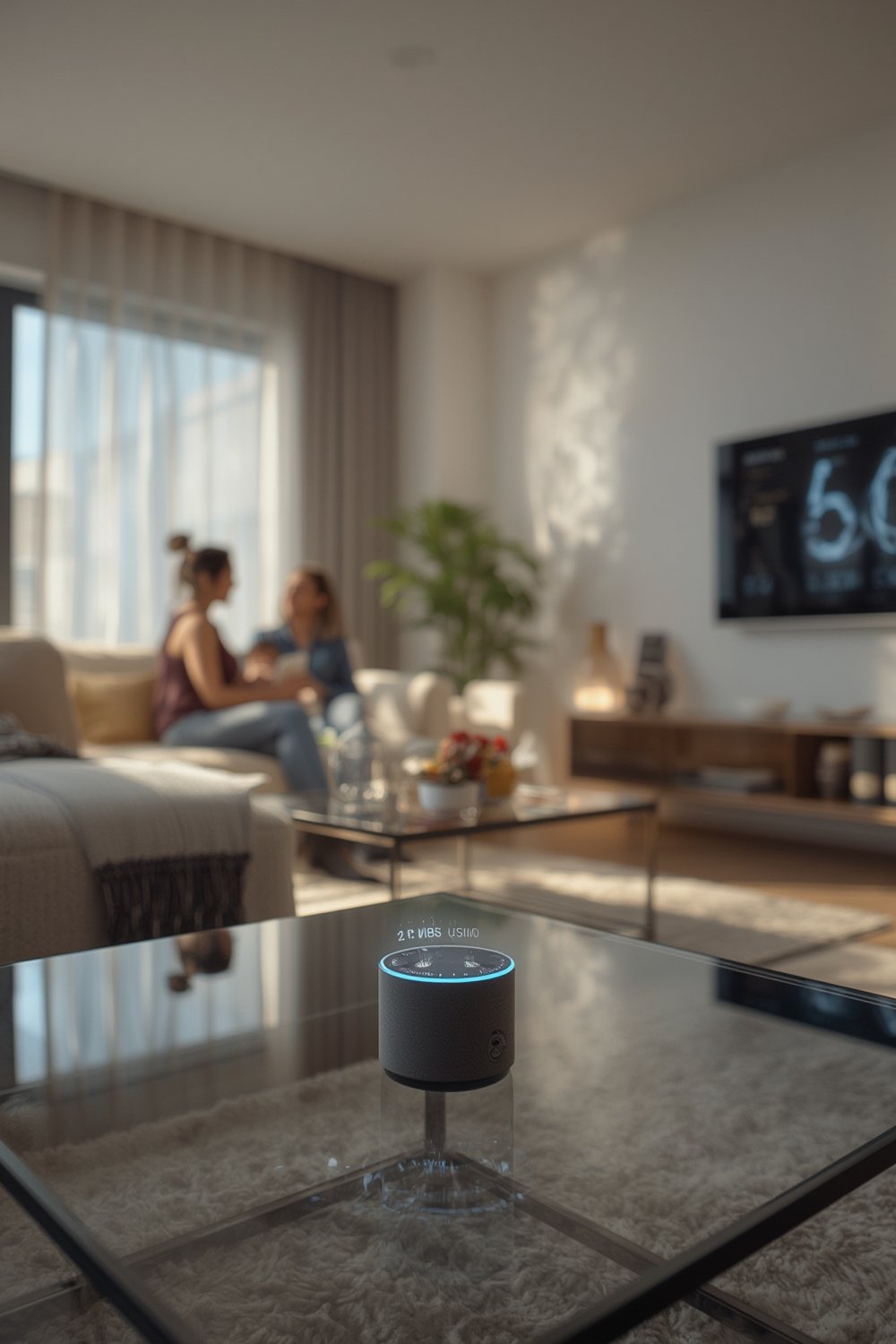
Why would you want this? Because it promises less daily micro-management—a home that cools itself before you arrive, secures itself when you’re away, or optimizes electricity during peak hours. For reference, while adoption statistics for 2024 are scarce, North America holds about 46% of the overall agentic AI market, largely due to enterprise deployments [source]. Most home systems remain stuck at the “ask me to act” stage. Agentic AI assistants aim to break this wall, but the transition isn’t frictionless.
Agentic AI isn’t just “a smarter Alexa.” It’s a reimagining of what a digital home companion can do, often integrating new hardware and cloud platforms to make anticipatory decisions securely, efficiently, and (in theory) more privately. For more practical examples of current AI-powered home automation, check out these actionable smart home upgrade ideas.
How to Transition to Agentic AI Home Assistants: Step-by-Step Guide
Ready to move beyond “Hey Google” or “Alexa, turn off the lights”? Here’s a step-by-step blueprint for anyone serious about bringing agentic AI to their smart home—what you need, what to expect, and realistic caveats.
1. Assess Your Home’s Existing Smart Tech
Inventory your current smart speakers, sensors, switches, cameras, and hubs. Agentic AI systems require robust integration with multiple device categories—limiting support for outlier brands or separate platforms. If you run a stair climbing robot vacuum or advanced lighting system, check for cross-platform agentic compatibility before making new investments.
2. Choose the Right Agentic AI Platform
Unlike with Alexa or Google Home, no single open-source or commercial agentic AI platform dominates yet. Options may include emerging “Gemini Alexa+” integrations (though as of now, their technical details aren’t publicly available), Home Assistant automations with AI-based automations, or cloud-centric proprietary platforms. Look for well-documented privacy controls, active support, and ongoing updates.
3. Map Daily Routines and Automations
Write down the top five repetitive or time-sensitive home interactions you’d like automated: lights, shades, HVAC, locking, security alerts, or appliances. Prioritize the most significant “nuisance” tasks. Begin with automation templates that can trigger on patterns (workday schedule, weather changes, movement, occupancy). Good agentic AIs will learn and improve over time—but it’s still wise to set up supervisory fail-safes at the start.
4. Plan for Privacy, Security, and Cloud Costs
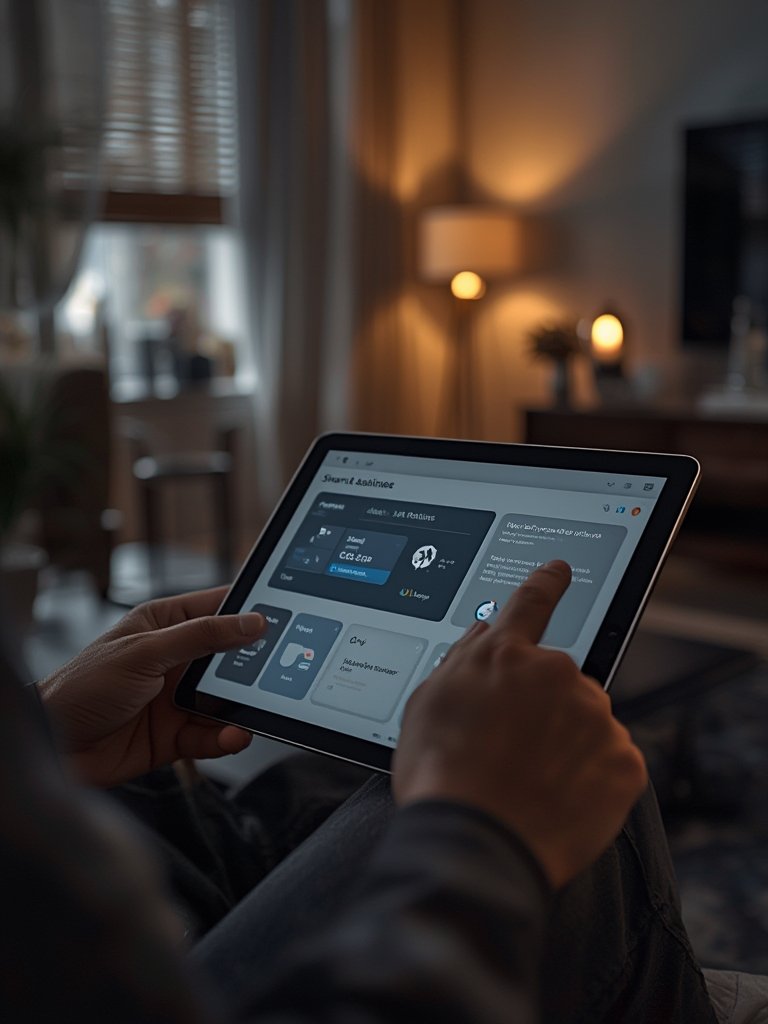
Nearly all agentic AI platforms rely on some form of cloud infrastructure—62% of deployments in 2024 are cloud-based [source]. Review the fine print of your vendor’s privacy and data retention policy. Ask about data sovereignty—where your data is stored, processed, and how you can delete or audit it. Expect potential monthly fees for subscriptions, updates, or advanced features. Budget carefully: while no home-specific cost breakdowns are published, enterprise agentic AI solutions reach into the billions annually [source].
For more smart home budgeting tips, read about cost-saving strategies in this home upgrade guide.
5. Test, Review, and Train Your AI
Don’t expect day-one perfection. As with other predictive systems, agentic AI home assistants learn from feedback: keep a basic log of what’s working, what’s not, and flag any unexpected behaviors early. Use built-in feedback tools or connect with the community to troubleshoot quirks. Agentic AI can feel “magical” when it gets it right, but frustration grows if it repeatedly misses the mark—especially with security or energy-saving automations.
Looking for concrete automation tips and everyday examples? See our practical guide on smart content optimization—many of the workflow habits translate well to managing smart home routines, too.
Advanced Analysis & Common Pitfalls
What tripwires could you hit when adopting agentic AI home assistants, and what aren’t the shiny headlines telling you?
Realistic Problems Users Might Face
- Lack of Transparency: Most agentic platforms are opaque about how your data is collected, processed, and used. There are virtually no consumer-facing metrics for home user satisfaction in 2024, only broad enterprise statistics (like 80% of AI deployments meeting expectations in business domains) [source].
- Data Privacy and Sovereignty Risks: Home data is often routed through third-party clouds. Specific privacy guarantees for predictive home AI are nearly nonexistent. Cloud dominance means users rarely have control over where their data is stored [source].
- High and Unclear Costs: With no public 2024 numbers for home-specific agentic AI deployments, risks include expensive proprietary hubs, recurring software fees, and hidden upgrade or installation charges. ROI calculation is hard, and existing articles rarely break down true long-term expenses.
- Setup and Integration Friction: Bringing together a true multi-brand, multi-level home ecosystem is tough—device compatibility gaps and outages are frequent, especially if your setup mixes robot vacuums, HVAC, and legacy security systems without unified support.
- Over-Automation and Loss of User Agency: With automation comes the risk of feeling less in control. It’s common to experience “automation fatigue” as your AI takes actions you didn’t expect. Regular review and manual override options are crucial.
Comparison Table: Agentic AI vs Traditional Smart Home Assistants
| Aspect | Traditional (Alexa/Google Home) | Agentic AI Home Assistant |
|---|---|---|
| Automation Type | Triggered by voice/manual commands | Predictive/proactive, learns and acts autonomously |
| Data Use Transparency | Basic controls, limited insight into cloud processing | Often even less transparent, with more cloud data flows |
| User Satisfaction Data (2024 Home) | Some customer ratings exist | No public home-specific data |
| Integration Support | Wide, but not proactive | Fragmented, early-stage |
| Costs (Install, Hardware, Subscription) | Predictable, often lower | Unclear, higher risk of surprise charges |
| Privacy Risks | Moderate–high | High, especially for predictive/behavioral data |
| User Agency | High—always in control | Medium—automations may act unexpectedly |
Looking for privacy-first security upgrades? Check out touchless biometric access systems and local, edge-based solutions like edge AI home monitoring to balance advanced automation with more robust privacy.
Conclusion
Agentic AI home assistants promise to revolutionize our daily lives by bringing intelligence, anticipation, and efficiency to home management. But the road to adoption in 2024 is full of hard-to-spot pitfalls: from unclear costs and compatibility woes, to real privacy tradeoffs and lack of transparent user satisfaction data. Weigh your needs, plan for iteration, and use your agency as a homeowner to keep automation working for you—not the other way around. When upgrading to Agentic AI home assistants, start with actionable steps and test your way toward true “smarts.”
Looking for more hands-on improvements? Explore these smart home improvement tips and our home efficiency guides to combine intelligence and comfort in every room.
Ready to take your smart home to the next level? Review your own setup, test pilot agentic routines, and demand transparency from every vendor before you let automation take the reins.
Frequently Asked Questions
What makes agentic AI home assistants different from voice assistants like Alexa or Google Home?
Agentic AI home assistants act proactively and make decisions based on context and learning, while classic voice assistants only respond to direct commands or basic pre-set routines.
Are agentic AI systems compatible with existing smart home devices?
Compatibility is mixed. Some agentic AI platforms integrate well with major brands, while others require new hardware or don’t support legacy devices yet. Always check compatibility before upgrading.
How much does it cost to upgrade to an agentic AI home assistant in 2024?
There’s no public breakdown for home setups, but costs typically include new AI hubs, possible sensor upgrades, professional installation, and ongoing subscription fees for cloud features or updates.
How do agentic AI home assistants address privacy and data sovereignty?
Most rely on cloud infrastructure, with limited transparency on data storage or sovereignty. Few vendors provide user-level controls for data auditing or deletion—so research policies before committing.
Can I get some agentic AI features without replacing my whole smart home setup?
Yes—using advanced automation tools like Home Assistant or IFTTT, you can mimic some predictive automations with your current devices to see if agentic AI is worth a full investment.
—
 Email Submit Button: “Get Free Guide Now”