

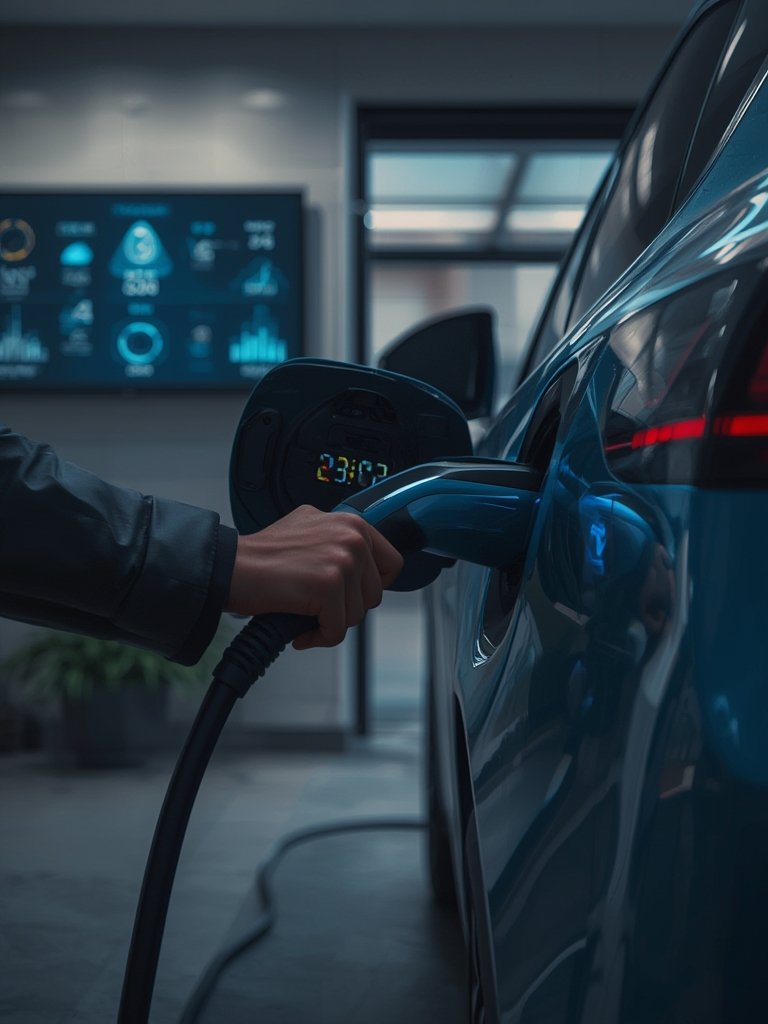
Vehicle-to-Home (V2H) smart charging is emerging as a promising way for electric vehicle owners to power their homes, save money, and support a more resilient energy grid. But many questions about adoption, costs, technical requirements, and real-world benefits remain. This guide will give you the most practical, honest insights on V2H smart charging in 2024—so you can decide if it’s right for your home.
Key Takeaways
- V2H smart charging lets compatible EV batteries power your home, but widespread adoption is limited and key data is still lacking in 2024.
- Real-world costs, technical requirements, and reliable case studies on savings or support are not widely reported—so managing expectations is crucial.
- V2H requires special hardware, EV model compatibility, and can be complex—potential pitfalls include installation challenges, utility policies, and battery wear.
The Core Concept
Vehicle-to-Home (V2H) smart charging allows your electric vehicle (EV) battery to not only charge from your house, but send power back to your home when needed. With power outages, grid strains, and electricity prices rising, V2H promises flexibility and even emergency backup using the energy already stored in your car.

Unlike basic home charging, V2H uses bidirectional chargers to make your EV’s battery act like a mobile energy reserve. When paired with smart controls, you can automate when to store grid power (like at night), supply power to your home during peak rates, or even survive a power cut. Many smart home improvement enthusiasts, especially in energy-conscious households, see V2H as the next leap in both sustainability and home independence.
Adoption, however, is still early-stage in 2024. While 86% of U.S. EV owners have access to home charging according to Qmerit, no robust public data tracks how many actually use V2H, or how well it fills backup roles. Core concepts like system compatibility, battery management, and safety—compared to traditional solar-backed solutions—require careful evaluation, as explained in our renewable energy guide.
Step-by-Step Guide
Thinking about bringing V2H into your home? Follow these real-world steps to stack the odds in your favor, avoid wasting money on incompatible hardware, and understand the limitations up front.
1. Confirm Vehicle and Charger Compatibility
Not all EVs can be used for V2H. Check your car’s manufacturer documentation or dealer. As of 2024, only a handful (like the Nissan Leaf, Ford F-150 Lightning, and some Hyundai/Kia models) offer built-in bidirectional support. Most home charging stations are also unidirectional; ensure any product you consider specifically advertises V2H or V2G compatibility.
2. Research Utility and Local Regulations
Some utility companies and municipalities restrict, regulate, or require notification for V2H and home energy systems. Before investing, call your provider and review their latest “behind-the-meter” battery or grid-tied device policies. Not all net metering laws or home electrical codes allow EV battery backup yet.
3. Choose Your Bidirectional Charger and Installer
Compare the few bidirectional home charging systems on the market. As hard data on cost is lacking, get site-specific quotes—including electrical panel upgrade costs, transfer switches, wiring, and regular maintenance. Installation generally requires a licensed professional.
4. Integrate V2H Into Your Smart Home
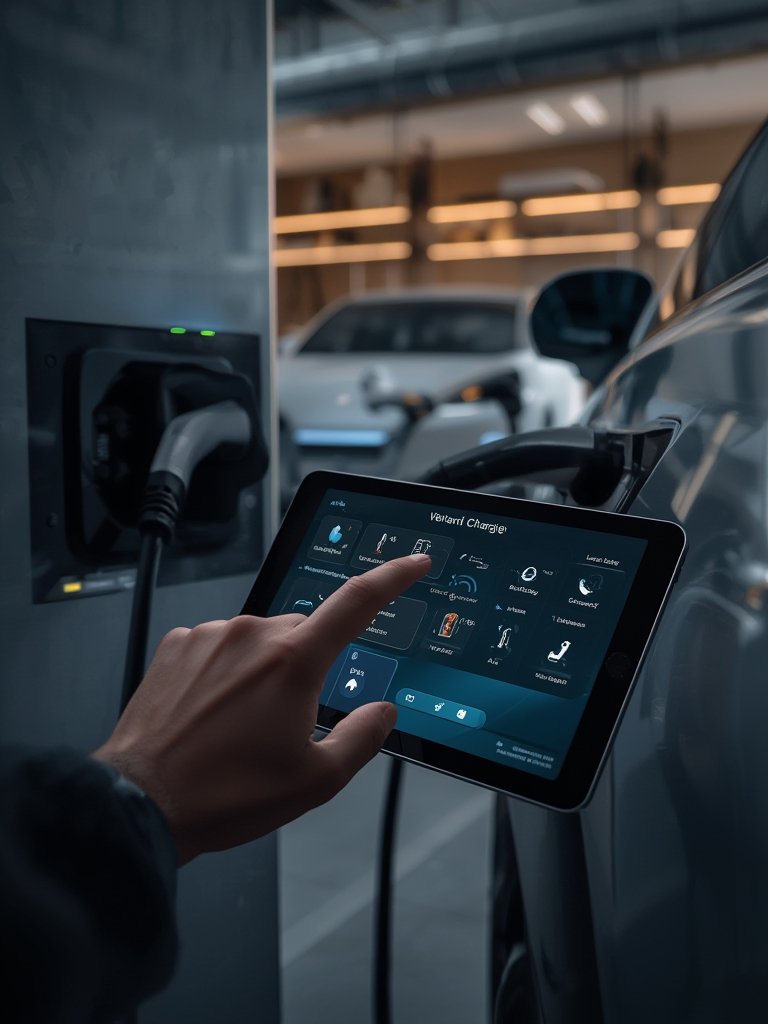
Link your V2H charger with a smart home system so you can monitor battery status, schedule discharge (e.g., during peak grid times), and automate charging when rates are lowest. Many owners pair this with energy monitors or smart vents for improved savings—like those featured in our smart vents for home guide.
5. Verify Backup Capability and Safety
Test your setup for home backup: simulate an outage or schedule a disconnection and see how the system performs. Check for error codes and monitor your EV’s state of charge. Confirm whether the buffer energy left in your battery accommodates both your daily driving and potential backup needs.
6. Monitor & Optimize Energy Use
Track your real energy savings or peak rate reductions. Consider keeping detailed logs for the first few months. Share your findings or challenges with local energy user groups—real home data is scarce, but critical for ongoing improvement and advocacy.
Looking for more whole-home automation ideas? Read our stair climbing robot vacuum guide for smart navigation tips that pair well with an intelligent energy home.
Advanced Analysis & Common Pitfalls
While Vehicle-to-Home (V2H) smart charging represents a leap in home energy capabilities, the lack of concrete adoption data, cost transparency, and technical guidance can expose homeowners to costly or frustrating pitfalls.
Common Pitfalls
- Lack of Universal EV Compatibility: Even in 2024, most EVs, including popular Teslas, do not support V2H. Attempting to retrofit is not feasible for most users.
- Cost and Installation Surprises: Without clear market pricing, many installers quote wildly different prices; unexpected main panel upgrades or transfer switch complexity often add thousands to bills. V2H hardware is far costlier than typical wall chargers.
- Utility Approval Issues: Some utilities haven’t yet approved, or actively block, V2H operation due to grid security or metering policies.
- No Data on Savings or Battery Impact: No real-world, third-party studies confirm whether V2H actually saves significant money over traditional home batteries—or how much it impacts EV battery life. Owners are flying blind.
- Battery Degradation and Warranty Concerns: Frequent deep discharges accelerate battery wear. Most automakers do not cover battery repairs related to home backup under warranty.
- Insurance or Regulatory Risks: Many homeowner insurance policies exclude untested or nonvalidated energy devices from coverage.
| Factor | V2H Smart Charging | Traditional Home Battery (e.g., Powerwall) |
|---|---|---|
| EV Model Compatibility | Very limited (2024) | N/A |
| Hardware Cost Transparency | Poor—few published quotes | High, but published MSRP |
| Install Complexity | High—requires EV, charger, transfer switch | Medium—standardized products/installers |
| Backup Duration | Variable—depends on EV battery size and car use | Predictable—fixed battery allocation |
| Warranty Clarity | Unclear—vehicle warranty often excludes V2H | Clear—covered by battery OEM |
| Evidence of Long-Term ROI | Lacking for 2024 | Mixed, but more third-party data |
Since official, quantified savings and user satisfaction with V2H are not yet available in public research (ICCT; ChargeLab 2024 survey), weigh your appetite for experimentation or unexpected costs carefully.
Want to boost home energy savings without the risk? Consider layered efficiency upgrades first—like the solutions in our smart home improvement guide.
Conclusion
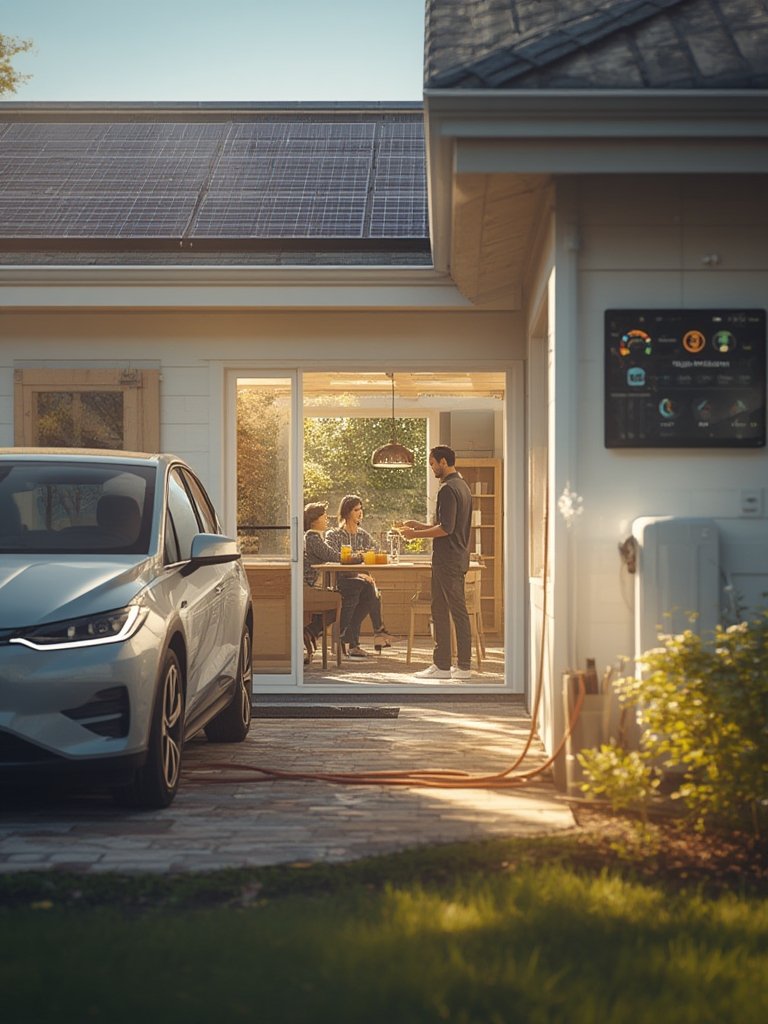
The opportunity of Vehicle-to-Home (V2H) smart charging is real: using your EV as a home energy backup and flexible grid asset is a powerful idea. But the landscape remains experimental in 2024. Before investing, confirm your car and charger compatibility, dive deep into regulatory and cost issues, and be realistic about uncertain data on adoption and savings. If you’re ready to try V2H smart charging, proceed with eyes open—and share your results to help build the data the community needs. Thinking of making the leap, or have questions? Start by reviewing all steps and talk to an expert installer today.
FAQ Section
Can any electric vehicle be used for Vehicle-to-Home (V2H) smart charging?
No. Only a select group of EVs offer bidirectional charging capabilities needed for V2H, such as the Nissan Leaf or Ford F-150 Lightning (model-dependent). Most EVs, like Tesla and earlier models from other brands, do not support V2H as of 2024.
How much does it cost to install a V2H smart charging solution?
No reliable avg. cost exists for 2024. Expect higher costs than standard EV chargers, plus expenses for installation, any required electrical upgrades, and maintenance. Always get several local quotes and ask about ongoing support.
Will using V2H for home backup damage my EV battery?
Using your EV for frequent home backup may increase battery wear. Few automakers warranty battery performance for V2H use, and no third-party long-term studies quantify this risk.
Are there proven energy savings from V2H smart charging in real homes?
No comprehensive, independent studies have quantified energy savings or financial ROI for homeowners using V2H in 2024. Actual results depend on utility rates, usage patterns, and system integration.
Is V2H the same as solar or a home battery system?
No. V2H taps your car battery rather than a stationary battery like the Tesla Powerwall, and requires special hardware and compatible EVs. For details on other sustainable energy solutions, see our renewable energy guide.
 Email Submit Button: “Get Free Guide Now”