

mmWave presence sensors are transforming how we detect movement and occupancy in smart homes, healthcare facilities, and security systems. With touchless precision, these advanced sensors are rapidly replacing legacy solutions and opening new possibilities for safe, private monitoring—yet there’s a lot you need to know before deploying them.
Key Takeaways
- The global market for mmWave presence sensors is growing quickly, fueled by healthcare, privacy, and smart automation demands.
- Compared to PIR and camera-based solutions, mmWave offers reliable, non-contact detection but comes with integration, compliance, and usability challenges.
- Lack of published user feedback and direct benchmarks means selecting the right system requires careful pilot testing and vendor research.
- Understanding mmWave Presence Sensors: What They Are and Why They Matter
- How to Deploy mmWave Presence Sensors: A Practical Guide
- Advanced Analysis and Common Pitfalls
- Conclusion
- Frequently Asked Questions
Understanding mmWave Presence Sensors: What They Are and Why They Matter
Millimeter wave (mmWave) presence sensors use high-frequency radar to detect movement and occupancy in a space with remarkable accuracy. Unlike traditional passive infrared (PIR) or camera-based detectors, mmWave sensors can sense even subtle motion (like breathing) and work in complete darkness or through light obstructions. This makes them ideal for sensitive applications such as hospital fall detection, elderly care, and smart home automation.
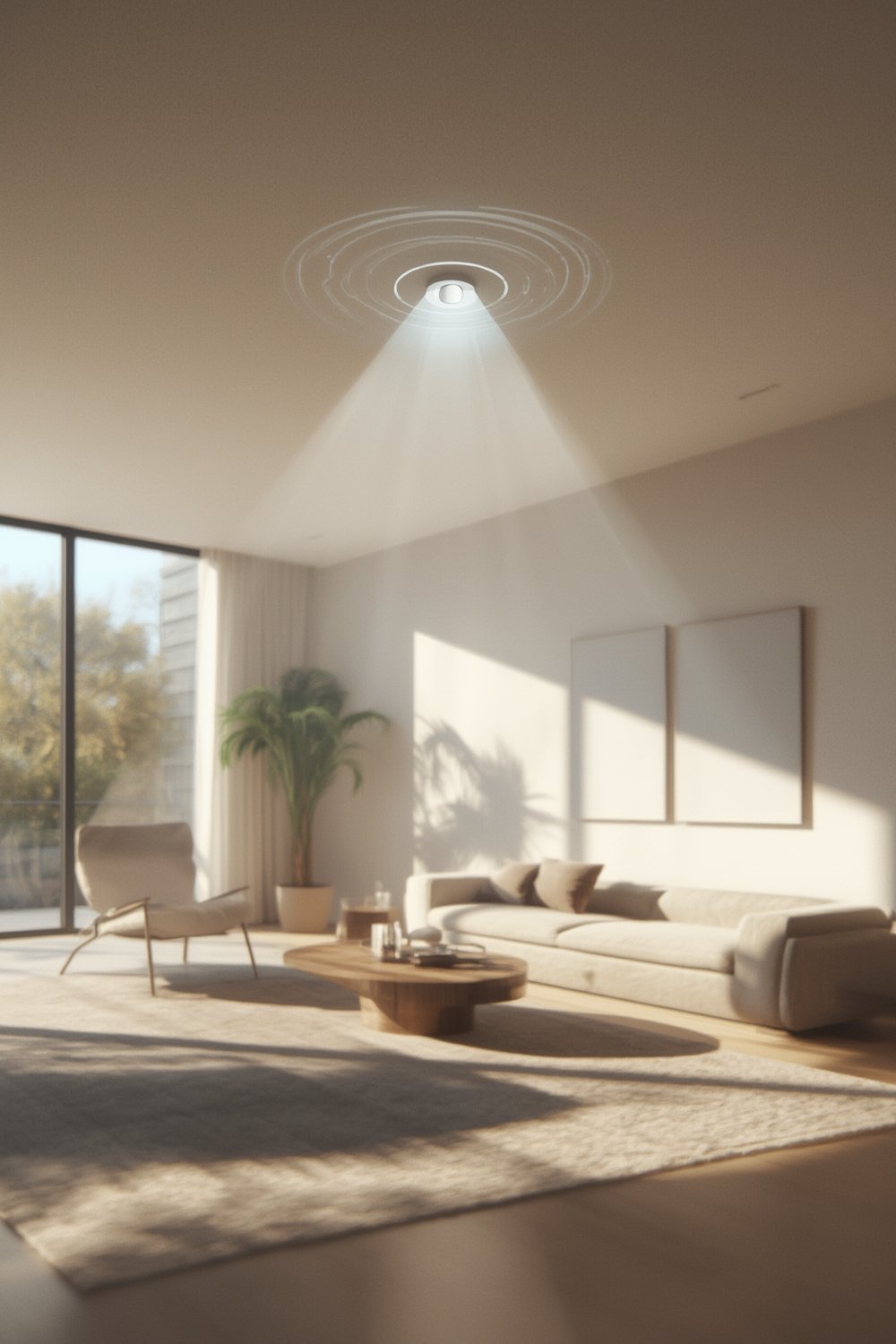
The global radar fall detection sensor market reached USD 475 million in 2024, and non-contact applications in healthcare are projected to triple by 2030. Adoption is up due to:
- Improved accuracy and reduced false alarms through MEMS and AI.
- Non-invasive monitoring that preserves individual privacy and dignity.
- Integration with smart automation systems and multi-level sensors.
Because mmWave technology is not camera-based, it offers enhanced privacy—crucial in bedrooms, bathrooms, and medical environments. For more on smart automation, see our smart home improvement tips.
How to Deploy mmWave Presence Sensors: A Practical Guide
Setting up an mmWave presence sensor system is straightforward if you follow a methodical process. Here’s how to get reliable, actionable results.
-
Choose the right sensor model.
Prioritize models that support your required detection range, field of view, and compatibility with your existing smart systems (e.g., Zigbee, Wi-Fi, standalone). Research vendors for latest market trends and updated hardware. -
Select optimal placement.
Install sensors overhead for fall detection or at chest level for general occupancy. Avoid locations near air vents, mirrors, or strong Wi-Fi interference. For detailed navigation and cleaning insights, explore the stair climbing robot vacuum guide—the placement logic is similar for multi-room setups. -
Integrate with smart home or monitoring platforms.
Connect sensors to compatible hubs, smart assistants, or healthcare dashboards. Many advanced systems support API integration for automation and analytics. -
Adjust detection sensitivity and zones.
Fine-tune for your application: in bedrooms, reduce sensitivity to avoid false triggers from pets; in hallways, maximize coverage for safety. -
Pilot test and iterate.
Monitor for false positives and missed events. Adjust placement, angles, or software zones as needed. For additional privacy and real-time edge analysis, consider dedicated solutions like those explored in our Edge AI home monitoring guide.
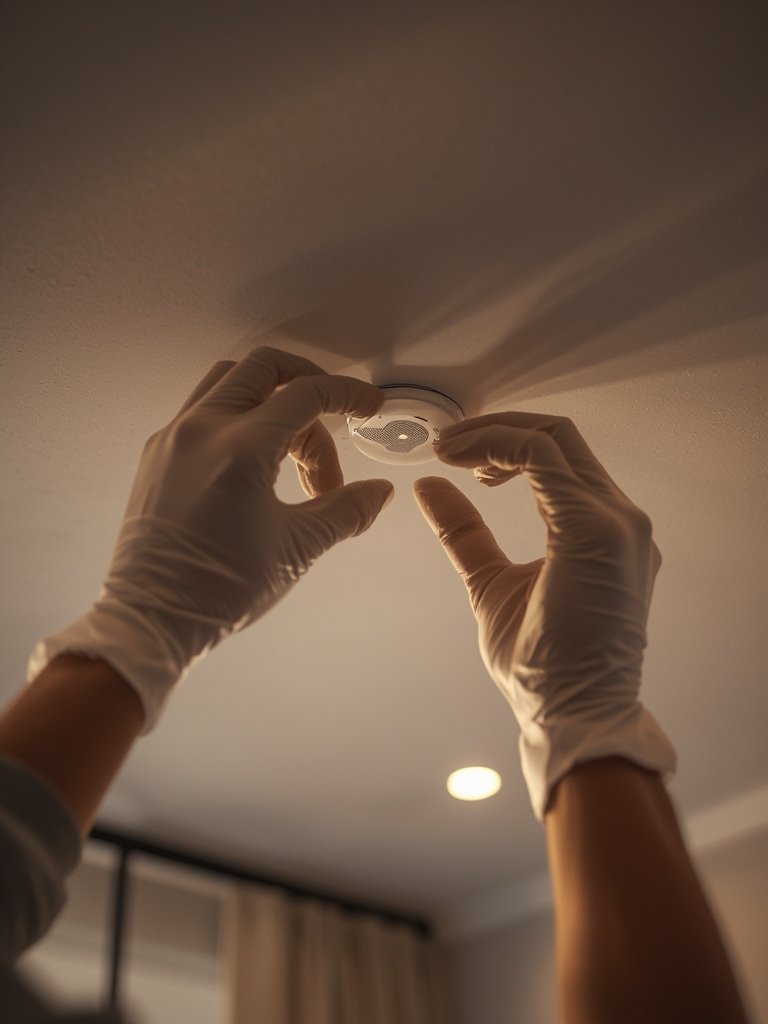
Document each installation step and save your tested settings for future use. If deploying in a facility, train staff or residents on basic system functions. While subscription models are not detailed in current research, check vendor support terms and plan for occasional firmware updates. Smart lighting setups can also benefit from occupancy sensors; learn more in our Circadian Rhythm Smart Lighting guide.
Advanced Analysis and Common Pitfalls
mmWave presence sensors offer clear advantages over PIR and camera-based systems, but real-world usage reveals several critical pitfalls and trade-offs:
- Integration complexity: Not all sensors work with every smart platform or legacy system, leading to connectivity and automation gaps.
- Lack of privacy and compliance guarantees: Public sources do not confirm vendor GDPR or HIPAA compliance—an issue for medical and residential deployments.
- Limited availability of independent validation: Research does not provide third-party case studies, accuracy benchmarks, or comparative specificity data.
- Potential for signal interference: Large objects, metal surfaces, or busy RF environments (heavy Wi-Fi, multiple sensors) can reduce detection range and accuracy.
- Unclear ongoing costs: Vendor pricing, maintenance fees, and subscription requirements are seldom detailed on product pages.
| Technology | Detection Type | Privacy | Sensitivity | False Alarm Risk | Ideal Use Cases |
|---|---|---|---|---|---|
| mmWave Presence Sensor | Micromotion, Breath, Occupancy | High (no images) | Very High | Low–Med (tunable) | Healthcare, Automation, Security |
| PIR Sensor | Movement (temp. change) | High | Medium | Medium–High | Basic Automation |
| Camera-Based | Visual | Low–Medium | High | Low–Medium | Security, Advanced Analytics |
For multi-sensor and multimodal environments, integrating sensors with accelerometers and gyroscopes increases reliability. AI-powered systems help, but require regular firmware and algorithm updates to remain accurate. If you’re combining presence sensors with other smart home tools or access systems, the touchless biometric access guide offers relevant integration strategies.
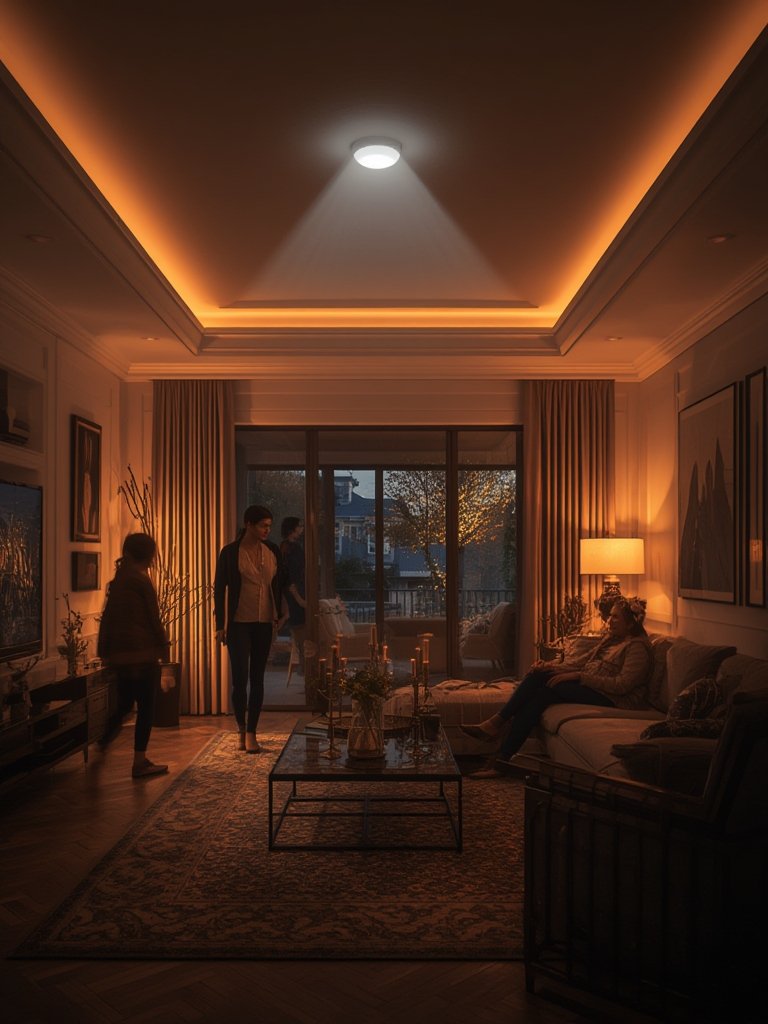
Conclusion
mmWave presence sensors are gaining rapid market share thanks to their privacy, flexibility, and accuracy—especially in sensitive settings where old tech falls short. But with limited public data on real-world comparisons, costs, or compliance standards, successful adoption means careful pilot testing and ongoing research. To keep your environment safe and smart, stay informed about the latest advancements and vendor offerings. Ready to explore how mmWave presence sensors can transform your home or facility? Start your upgrade with a pilot deployment today and share your results with the community.
Frequently Asked Questions
What is a mmWave presence sensor and how does it work?
An mmWave presence sensor uses high-frequency radar signals (millimeter waves) to detect minuscule movements and map occupancy—even detecting someone breathing—without cameras or wearables. The sensor’s chipset analyzes how the signals reflect back from people and objects to trigger automations or alerts.
How does mmWave compare to traditional PIR or camera sensors?
mmWave provides superior detection of subtle motion, works in darkness or through obstacles, and offers better privacy since it doesn’t capture images. PIR is simple and affordable but less sensitive. Cameras offer rich analytics but raise privacy and data storage concerns.
Are mmWave presence sensors safe for use around people?
Yes, mmWave sensors emit low-power radio signals, not ionizing radiation. They’re specifically designed for continuous, safe operation in homes, hospitals, and workplaces.
What environments benefit most from mmWave presence sensors?
They’re ideal for senior care, hospital fall detection, smart lighting automation, privacy-conscious bedrooms, bathrooms, and anywhere occupancy monitoring is sensitive or needs reliability without visual cameras.
How do I ensure compliance and privacy with mmWave sensors?
Always select vendors who document their compliance with privacy frameworks like GDPR or HIPAA if needed, and consult local regulations. Since not all product pages provide these details, request documentation before purchasing for medical or sensitive environments.
 Email Submit Button: “Get Free Guide Now”