

circadian rhythm smart lighting delivers powerful health benefits by syncing your home’s light cycles with your body’s internal clock, but making the shift is more complex—and more rewarding—than many realize. New 2024 research reveals game-changing effects for sleep, alertness, and well-being, but also highlights major pitfalls, cost concerns, and installation roadblocks. This guide gives you the real story on what works, what to expect, and how to get results with the latest bio-adaptive lighting technology.
Key Takeaways
- Cutting-edge studies confirm circadian rhythm smart lighting improves sleep, alertness, and wellness—if deployed with the right spectrum and timing routines.
- User frustrations include limited product options, complex installation, and poor integration with personal health apps or routines.
- Hidden costs are low, but there are upfront investments and tricky compliance issues for advanced systems—plus significant variation in user experiences.
- The Core Concept: What Is Circadian Rhythm Smart Lighting?
- Step-by-Step Guide: How to Get Real Results at Home
- Advanced Analysis & Common Pitfalls
- Conclusion
- FAQ
The Core Concept: What Is Circadian Rhythm Smart Lighting?
Circadian rhythm smart lighting uses automated, spectrum-shifting LEDs driven by algorithms and sometimes AI to mimic the sun’s natural patterns—boosting blue-enriched light during the day to enhance alertness and reducing blue wavelengths at night to protect sleep. Unlike basic LED smart bulbs that only dim or change color, true circadian systems shift both brightness and spectrum based on time, measured routines, or environmental cues.
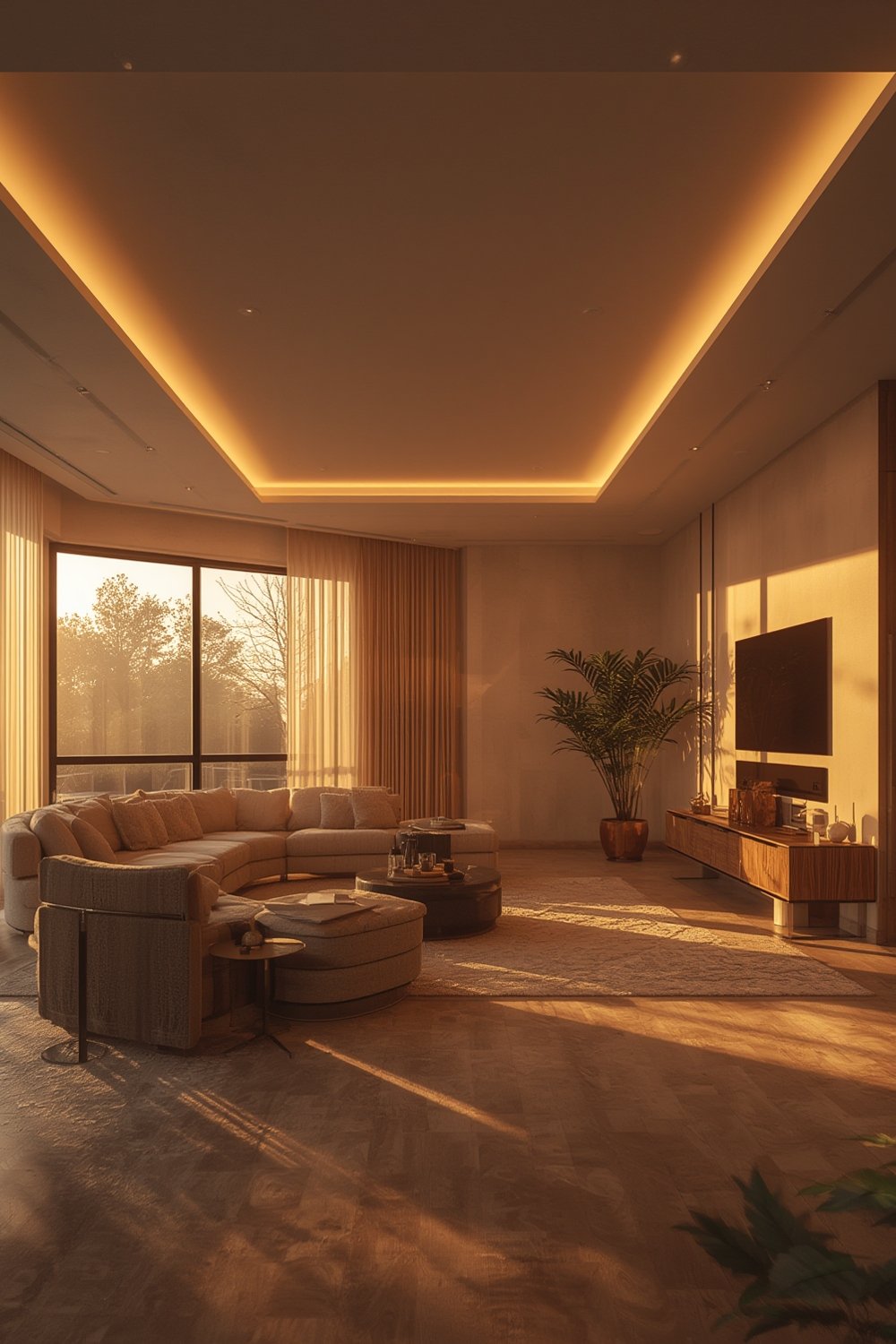
Why does this matter? 2024 clinical studies show circadian-informed lighting can realign internal clocks up to four hours faster over consecutive night shifts, halving vigilance failures and improving reaction speed (source). Major scientific consensus (85.9% of 248 experts) now supports smart lighting that regulates intensity and blue light to protect circadian entrainment and health (source). Poor lighting, especially standard unmodulated blue-chip LEDs, risks sleep disruption and even increases hospital stays by as much as 30% in some patient groups (source).
The bottom line: smart, bio-adaptive lighting links home comfort with real health outcomes—going far beyond mood or aesthetics.
Step-by-Step Guide: How to Get Real Results at Home
- Map Your Light Zones: Identify where you need daytime energy and nighttime calm (bedroom, office, living room). Measure current light levels using a lux meter app—even high-end LEDs may underdeliver daylight brightness.
- Pick the Right System: Choose circadian rhythm smart lighting brands (like BIOS, LIFX, Philips Hue) that support true dynamic spectrum AND automated time-based changes, not just manual color shifting.
- Install for Maximum Coverage: Prioritize ceiling or overhead fixtures—these influence circadian signaling more than desk or lamp lighting. Replace key fixtures with bio-adaptive (not standard) LED boards where possible. Consider local code requirements such as California Title 24 if you live in regulated areas.
- Automate with Preset Schedules: Set routines that boost intensity and blue during mornings/midday (50–500 lux, blue ~460–485nm) and transition to warmer, blue-depleted settings about three hours before sleep. Use app scheduling; advanced systems use AI to adapt to personal wake/sleep patterns.
- Personalize with Health Data (Optional): Connect with a wearable or track sleep/app patterns for even more adaptive lighting. Few systems support this directly yet, but features are expanding. Check firmware compatibility and community integrations for early access options.
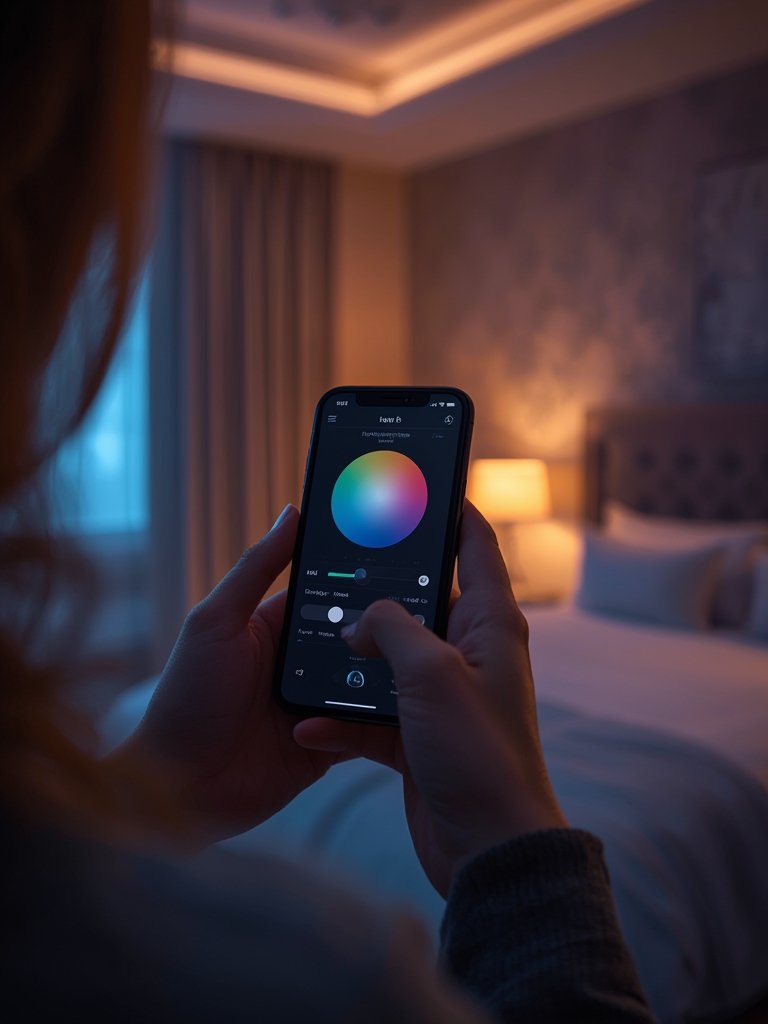
- Monitor and Adjust: Watch for signs like improved morning alertness and easier bedtime routines. Track with a sleep app or a journal. If you don’t see more energy and better sleep within two weeks, tweak your schedule—every individual responds slightly differently (source).
To further automate your home, consider installing a stair climbing robot vacuum for a clean, efficient, and healthy environment that pairs well with dynamic lighting routines.
Advanced Analysis & Common Pitfalls
- Limited Availability & High Cost: Less than 0.5% of lighting sales in 2024 offer real circadian support. Entry-level circadian fixtures or table lamps cost more than generic LEDs, and top brands like BIOS may require pro installation. Market analysis pegs the global sector at $4.3 billion in 2024 (source).
- Poor Health Data Integration: While 90% of experts agree on the need for true personalization, most current systems still lack robust, direct links to wearables or health tracking apps. This gap is closing, but for now users must create their own routines manually.
- Complexity & Installation Trouble: Ceiling fixture upgrades mean managing electrical codes (especially Title 24 in California) and ensuring compatible wiring. DIYers may hit a wall—spectrally optimized LED boards are not always plug-and-play, and may void fixture warranties or complicate resale.
- Unmodulated Blue Light Risks: Standard smart bulbs marketed as “wellness” may still deliver high blue light at night, prolonging sleep onset. There’s growing support (over 79%) for warning labels on blue-rich LEDs used near bedtime (source).
- User Variation: Not everyone responds identically. Age, eye health, schedule, and even genetics can affect how you benefit from circadian rhythm smart lighting—so some trial and error is required.
| Feature | Basic Smart Bulb | Bio-Adaptive Circadian System |
|---|---|---|
| Color/Spectrum Control | Manual, RGB color only | Dynamic, time-based spectrum shift |
| Automated Routine | Manual scheduling, limited | Automated with AI or custom routines |
| Health Data Integration | Rare to none | Sparse, but expanding via wearables |
| Daytime Alertness Effect | Inconsistent, poor melanopsin activation | Proven improvements (2x less attention failure) |
| Night Sleep Support | Risk of blue light sleep disruption | Reduced pre-bedtime blue; sleep-protective |
| Price Range (2024) | $10–$40/bulb | $60–$300+ per unit/fixture |
| Install Difficulty | Easy (DIY) | Medium to high (may need pro) |
If you’re considering wider smart home upgrades, check out our smart home improvement tips for more ways to boost health and productivity.
Finally, keep in mind new regulations may emerge soon. California’s Title 24 code already restricts how much light you can pump in, which sometimes undercuts the effectiveness of daylight-matching routines (source).
Care about full-home energy optimization? Explore optimal attic insulation strategies as a companion to circadian lighting for whole-home comfort.
Conclusion
Embracing circadian rhythm smart lighting is one of the fastest, most proven ways to boost sleep quality and mental wellness—if you choose genuine spectrum-shifting tech and stick with it. Modern bio-adaptive systems can halve night shift attention failures, improve reaction times, and support morning wakefulness, but they require careful planning, modest investment, and real attention to setup details.
If you’re serious about energy, focus, and restorative rest, take the next step. Evaluate your space, compare lighting systems, and unlock the full power of circadian rhythm smart lighting in your daily life. Your sleep—and days—will thank you.
Want to learn how tech can transform more than just your lighting? Read our guide to conversational AI home assistants or check out these cozy home decor upgrades that combine comfort with smart routines.
Ready for a lighting upgrade? Compare smart options now, talk to a local pro about installation, and start with your most important rooms tonight.
FAQ
What is circadian rhythm smart lighting?
Circadian rhythm smart lighting uses programmable LEDs and automated controls to shift light intensity and spectrum throughout the day, mimicking natural sunlight cycles to support better sleep, alertness, and mood.
How much does a quality circadian lighting system cost in 2024?
Entry-level table lamps or fixtures with true circadian/bio-adaptive features start around $60–$100, with premium systems costing $200–$300+ per unit. Costs are higher than standard bulbs but ongoing subscription fees are rare.
Will smart bulbs work if I rent or can’t rewire my home?
Portable circadian smart lamps or bulbs can make a real difference if you can’t change main fixtures. Focus on workspace or bedside lighting to create effective small-scale “light zones.”
How do I know if my system is improving my sleep?
Track your sleep and alertness for two weeks before and after setup. Watch for faster sleep onset, fewer wake-ups, and easier morning routines. If you see no changes, adjust timing or placement and consider adding more daylight-intensity light in your morning zones.
Can circadian lighting be combined with other smart home technology?
Yes. Circadian systems work well with smart home platforms and can be combined with cleaning robots, AI assistants, and climate control for a seamless, healthy environment. See our smart home improvement tips for more ideas.
 Email Submit Button: “Get Free Guide Now”
[…] Set Up Alerts & Integrations: Connect your biometric device to mobile apps for real-time notifications of access attempts. Integrate with smart lighting for security events, as seen in circadian rhythm smart lighting setups. […]