

Table of Contents
Refacing kitchen cabinets has become a popular and cost-effective alternative to replacing them, offering a fresh new look for your kitchen without the hassle of a full remodel. In this guide, we will explain what cabinet refacing involves, how to find reliable local services, and what factors affect the associated costs—from materials to installation.
What Is Kitchen Cabinet Refacing and Why Choose It
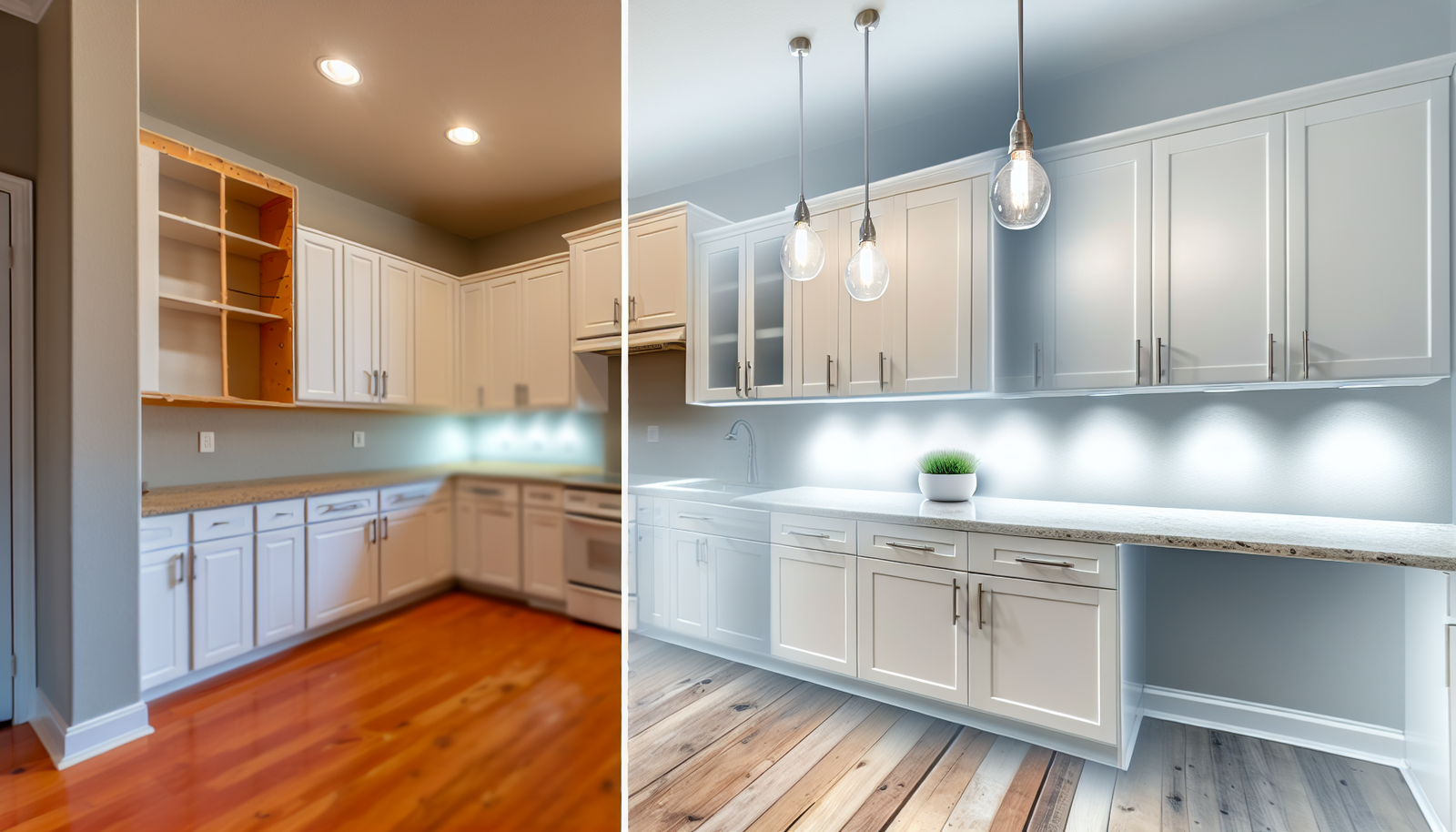
Kitchen cabinet refacing is a renovation approach that revitalizes the appearance of your kitchen without the mess and expense of a complete cabinet overhaul. The process begins by removing the existing cabinet doors and drawer fronts, exposing the underlying cabinet boxes (also called carcasses).
These cabinet frames are usually left in place as long as they are structurally sound and free from significant damage. Next, a veneer—commonly made of wood, laminate, or thermofoil—is professionally applied to the exterior surfaces of the cabinet boxes. This creates a fresh, updated look that matches your new doors and drawers, which are installed after the veneering process is complete. To complete the transformation, new hardware such as knobs, handles, and hinges can be added, elevating both style and functionality.
There are compelling reasons to consider refacing over full cabinet replacement. The most significant is cost—kitchen cabinet refacing costs can be 30% to 50% less than installing entirely new cabinets. This makes a dramatic kitchen facelift accessible to many homeowners who may be working with a more modest budget. Additionally, the process is far less disruptive; most refacing projects can be completed in a matter of days, compared to weeks for a full demolition and replacement. This means less time living without a functional kitchen and reduced inconvenience to your household.
Refacing is an environmentally conscious option, reducing waste by keeping cabinet boxes and shelving out of the landfill. Rather than discarding solid, usable structures, you enhance them with new surfaces, supporting sustainability. This approach is especially ideal when your cabinets are structurally sound but look dated or clash with your style. If your goal is a transformative update with minimal hassle and an eco-friendly touch, searching for “cabinet refacing near me” or “kitchen cabinet refacing near me” could lead you to a cost-effective solution that delivers dramatic results.
Evaluating When to Reface Rather Than Replace
When deciding whether to reface or replace your kitchen cabinets, it’s essential to critically assess the condition and configuration of your existing cabinetry. Not every kitchen or cabinet system is an ideal candidate for refacing, so weighing certain criteria can save you both time and money.
First, inspect the cabinet boxes—the fundamental structure behind your doors and drawer fronts. Refacing only benefits kitchens whose cabinet boxes are in solid shape. This means *no major warping, sagging, or separation at the seams*. Minor cosmetic damage, such as scratches or small chips, can be resolved during refacing, but structural damage often points to the need for replacement. Pay special attention to the bottom panels for signs of water damage; soft or crumbling wood suggests deeper issues that can’t be remedied by refacing alone.
Next, consider the kitchen’s overall design and functionality. Refacing works best if you’re satisfied with the current layout and your storage needs are met. If your cabinets are old but well-placed, and the interiors remain practical, refacing can dramatically enhance visual appeal at a fraction of replacement cost. However, if your kitchen’s layout is dated or inefficient—think narrow spaces, poor workflow, or lack of room for modern appliances—refacing will not address those issues.
Refacing is commonly recommended in scenarios such as *sturdy, well-constructed cabinets with worn or outdated exteriors*, maintaining period features in older homes, or when updating hardware and surfaces is enough to achieve your desired aesthetic.
On the other hand, consider replacement if you encounter:
– Significant water or pest damage, especially mold or rot.
– Cabinet boxes that feel flimsy or unstable, or front frames that are splitting.
– A kitchen layout you don’t like, as refacing can’t change configuration.
– Issues with outdated or hazardous materials, such as cabinets built with asbestos or lead-based paint.
All these factors play a crucial role not only in the practicality of refacing but also in guiding discussions as you search for reputable “cabinet refacing near me” services, ensuring your investment is sound.
How to Find Cabinet Refacing Services Near You
Finding the right professional for your cabinet refacing project is essential to ensuring quality results and a smooth process. Start your search for “cabinet refacing near me” or “kitchen cabinet refacing near me” by utilizing trusted online directories, such as Angi, HomeAdvisor, and Houzz, which specialize in connecting homeowners with reputable local services. These platforms often provide a wealth of information including company ratings, detailed reviews, pricing ranges, and photos of completed projects, allowing you to shortlist potential contractors.
In addition to online directories, local home improvement stores can be valuable resources. Many offer their own refacing services or can recommend experienced installers who are familiar with local codes and trends. Staff at these stores often know which contractors consistently receive positive feedback and can share insights from other customers.
Once you have a list of prospects, take time to vet each option thoroughly. Look for contractors who are licensed and insured—this protects you from liability in case of accidents or damage during the project. Ask for evidence of any relevant certifications, particularly for handling specialty materials or finishes. Reputable refacing professionals should be willing to provide a portfolio of previous work so you can assess their craftsmanship and design versatility.
Before committing, prepare a list of specific questions. Ask how many years they have been performing cabinet refacing, if they use subcontractors, what brands or materials they recommend, and the expected timeline for completion. It’s also wise to ask about warranties on both materials and labor, communication practices throughout the project, and how unexpected issues are handled. Verifying references from past clients will give you insight into reliability, punctuality, and customer satisfaction—key factors in making an informed choice before discussing costs and scheduling.
Understanding Cabinet Refacing Costs
Understanding what drives the cost of kitchen cabinet refacing will help you make strategic decisions and set your project expectations. Several elements influence the final price tag. The most obvious is the size and layout of your kitchen: larger spaces with more cabinetry generally require more materials and labor, thereby raising the overall cost.
The materials you select for the new cabinet surfaces play a crucial role. Basic laminate is typically the most affordable option, offering a wide range of finishes at a lower price. Wood veneer, on the other hand, delivers a more authentic look but comes at a higher cost. For homeowners seeking a luxury feel, natural wood or custom finishes can significantly increase the budget. Don’t forget hardware and accessories—upgrading to soft-close hinges or decorative knobs can add to the expense but elevate functionality and aesthetics.
Labor rates can also vary depending on where you live. Urban or high-demand regions tend to have higher labor costs than rural areas. If your cabinets require prepping, repairs, or custom adjustments before refacing, these factors can also affect pricing.
Here’s a breakdown of average price ranges:
- Basic projects: $4,000–$7,000—simple layouts, laminate materials, standard hardware
- Mid-range projects: $7,500–$14,000—wood veneers, some custom work, upgraded hardware
- Premium projects: $15,000 and up—real wood, complex configurations, luxury hardware
To get an accurate estimate, request itemized quotes from multiple contractors and clarify exactly what’s included. Ask about warranties and timelines. When weighing your options, balance quality and aesthetics against your budget. Consider splurging on frequently used features like drawers or hinges, but save on areas that impact the budget less. With a clear understanding of cost factors, you can achieve a transformed kitchen without overspending, while leaving financial room for other impactful upgrades.
Maximizing the Impact of Your Refaced Kitchen Cabinets
After investing in kitchen cabinet refacing, there are strategic steps you can take to truly maximize the transformation and enjoy a cohesive, modern kitchen. Pairing your new cabinet look with updated countertops can make a dramatic difference. Opt for materials such as quartz, granite, or even butcher block for a complementary style that elevates the entire space. These surfaces not only add sophistication but are also durable and easy to maintain, echoing the refreshed appeal of your cabinets.
Updating lighting is another impactful enhancement. Consider installing under-cabinet LED strips for functional task lighting that brightens prep areas and highlights your new cabinet finishes. Pendant lights above islands or breakfast bars offer both style and illumination, helping draw attention to the new aesthetic. Replacing outdated ceiling fixtures with modern, energy-efficient options can further unify the space.
To maximize daily usability, integrate smart storage solutions alongside your refacing project. Pull-out shelves, lazy Susans, or custom drawer organizers make efficient use of every inch and support a clutter-free kitchen. Even small additions like sleek cabinet hardware or concealed waste bins can modernize the space while boosting functionality.
Maintenance plays a key role in preserving the appearance and performance of refaced cabinets. Clean surfaces regularly with a soft, slightly damp cloth and avoid harsh chemicals that may damage the refacing material. Periodically check hinges and handles for looseness, tightening or replacing them as needed. Address any small signs of wear immediately, such as nicks or bubbling, to prevent further damage.
Finally, unify your modernized cabinets with thoughtful design details. Swap out old backsplashes for new tiles or glass panels, introduce a bold accent wall with paint, or add open shelving to display curated dishware. These focused updates, when harmonized with your refaced cabinets, contribute to a beautiful, cohesive, and timeless kitchen that reflects both form and function.
Conclusions
In summary, refacing kitchen cabinets is an effective, affordable way to refresh your kitchen’s style while minimizing waste and downtime. Assess your cabinets’ suitability, work with reputable local pros, and understand cost factors to ensure a smooth project. With thoughtful choices and simple updates, refaced cabinets can transform your kitchen into an inviting, functional space.
Welcome! For more in‑depth product and tech reviews, visit homepaw shub .
 Email Submit Button: “Get Free Guide Now”
[…] innovative home tech stacks up or how to save on installations, our guides on content strategy and major home remodel savings provide actionable tips from other […]
[…] For more smart home budgeting tips, read about cost-saving strategies in this home upgrade guide. […]