

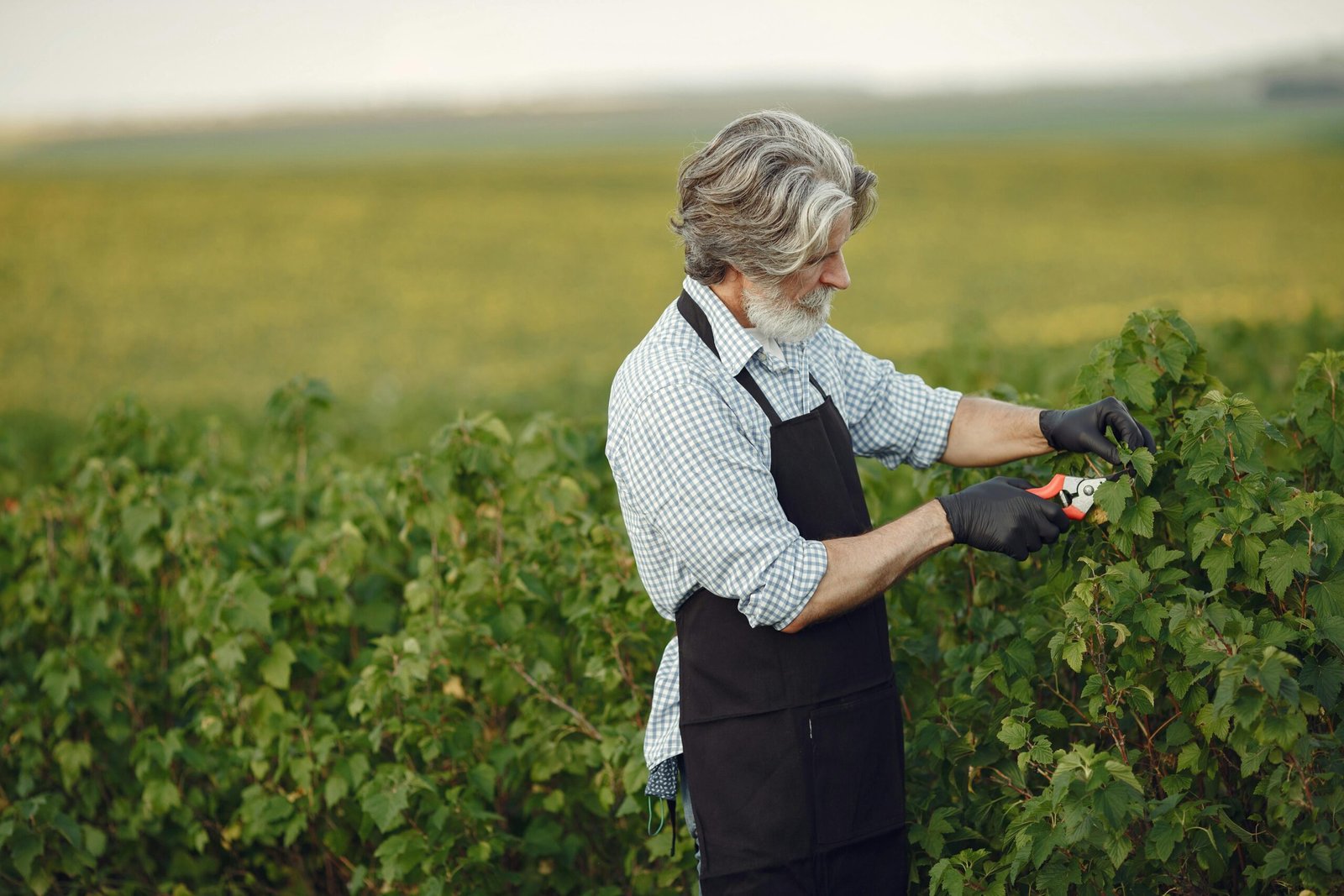
Landscaping is the art and science of modifying visible features of a land area, enhancing both beauty and functionality. Whether you’re searching for landscaping near me or considering professional landscaping services, understanding the process, design, and local approaches will help you achieve stunning results. Unlock the secrets to a vibrant landscape and elevate your outdoor living experience.
What Is Landscaping and Why It Matters
Landscaping is a comprehensive field that weaves together living elements such as lawns, trees, shrubs, and flowers with an array of non-living, or abiotic, factors—think rocks, pathways, water features, lighting, and even soil types. At its core, landscaping is both an art and a science, striving to create outdoor spaces that are not only beautiful but also functional, sustainable, and attuned to the local ecosystem.
Beyond simply arranging plants or maintaining a yard, landscaping involves a thoughtful integration of the natural world with built environments. This process uses creative design principles to harmonize the site’s ecology, architecture, and the lifestyles of those who inhabit the space. The living components, like turfgrass or ornamental trees, offer shade, habitat, and seasonal interest. Meanwhile, abiotic elements, such as retaining walls or stone patios, provide structure, support, and pathways for movement.
Landscaping also plays a powerful role in shaping and reflecting cultural identity. Different regions and communities infuse their outdoor spaces with elements that resonate with their history, traditions, and values. For example, a Japanese-inspired garden with meticulously placed rocks and water might suggest minimalism and harmony, while a Southwestern American landscape could highlight xeriscaping, utilizing native succulents and desert stones for drought resistance.
Regional climate and microclimates profoundly affect landscaping decisions. Plants and materials that thrive in a humid, coastal region may struggle in an arid or mountainous area. Consequently, local expertise is crucial in selecting vegetation and constructing features that endure the unique challenges and opportunities of a given locality.
Ultimately, landscaping is not just about external beautification. It’s an intentional, creative practice that enhances how we live, influences environmental health, and subtly tells the story of the community that surrounds it.
Key Elements of Landscape Design
A successful landscape design relies on the harmonious integration of several core elements, each serving an essential function in shaping the outdoor environment. Proper planning forms the foundation of every project, demanding a thorough analysis of site-specific factors such as drainage patterns, sunlight exposure, soil quality, and existing vegetation. Professionals combine this practical assessment with an artistic approach, crafting outdoor spaces that balance visual composition, rhythm, and focal points while responding to each site’s unique challenges.
Landscaping design requires careful balancing between hardscape and softscape elements. Hardscape features—such as patios, walkways, retaining walls, and decks—offer structure, durability, and define functional zones. For instance, paver pathways guide movement and can contour around natural slopes to enhance water runoff, while a stone patio provides an all-season platform for gathering. These built materials are chosen not only for aesthetics but for their ability to handle the local weather and demand minimal upkeep.
Conversely, softscape elements—planting beds, shrubs, lawns, and groundcovers—introduce color, texture, and biodiversity. A native perennial border, for example, attracts pollinators and thrives with less water and fertilizer, promoting ecological health. Softscape components soften the look of hardscapes, temper the microclimate (by offering shade or windbreak), and create seasonal interest.
Environmental sustainability remains a driving force behind contemporary designs. Landscape professionals often prioritize native and drought-tolerant species to reduce resource consumption, integrate rain gardens for managing stormwater, and use permeable materials to support groundwater recharge. Successful landscapes fuse these ecological strategies with visual cohesion—where groupings of trees frame a view or a gravel path echoes the geometry of a modern firepit—ensuring the result is as functional as it is beautiful. By approaching each project with a keen understanding of both site realities and creative possibilities, designers produce outdoor spaces tailored to their setting and their user’s lifestyle.
Choosing the Right Landscaping Services Near You
When seeking landscaping services near you, choosing the right professional goes far beyond a quick internet search. The local environment exerts a profound influence on landscape success, so expertise in your area’s specific soil composition, microclimate, and native plant life is essential. Local professionals bring invaluable insights—whether your property sits atop sandy coastal earth, dense clay, or nutrient-rich loam—and will recommend appropriate plantings and materials accordingly.
Start by reviewing each prospective landscaper’s portfolio. This gives you not only aesthetic inspiration but also a sense for their range and specializations, whether it’s lush gardens, drought-tolerant landscapes, or elegant hardscapes. Request to visit completed projects to evaluate their quality firsthand, and don’t hesitate to ask detailed questions about plant viability, maintenance routines, or irrigation methods suitable for your region.
Professionalism and accreditation are also critical. Ensure the company holds all necessary licenses, insurance, and, where applicable, certifications from recognized landscaping organizations. This offers reassurance that they adhere to industry standards—important both for the durability of the installation and for your peace of mind.
Seek out referrals from friends, neighbors, or local gardening clubs who have used nearby landscapers. First-hand testimonials can reveal the provider’s communication style, reliability, and after-care support—elements just as important as design skill.
Local expertise ensures that every service—from initial consultation and site analysis to planning, installation, and long-term maintenance—is tailored to the challenges and opportunities of your region. Most reputable landscaping firms offer a full spectrum of options: site grading and preparation, planting trees and shrubs, building patios and retaining walls, installing lighting or irrigation systems, and providing regular upkeep. This continuity means your outdoor space not only flourishes but evolves beautifully with time and changing trends.
Popular Landscaping Trends and Solutions
As homeowner and commercial property demands evolve, recent landscaping trends reflect a deliberate shift toward greener, more adaptive, and customized outdoor spaces. One of the most significant developments is the embrace of sustainability. Using native plant species has gained popularity—not only do native gardens thrive with less water and maintenance, but they also support local pollinators and wildlife. Eco-conscious clients frequently request habitat-friendly plantings or rain gardens that harness rainfall and reduce water runoff, addressing both environmental stewardship and regional water restrictions.
Lawn alternatives are also emerging as trending solutions, especially in drought-prone or urban locales. Low-mow grasses, ground covers like creeping thyme and clover, permeable pavers, and gravel courts are replacing thirsty turf. More property owners are converting portions of their lawns to these alternatives, achieving vibrant visual texture while minimizing water usage and chemical inputs. Smart irrigation systems paired with drought-tolerant landscapes are increasingly favored, using weather sensors and zoned scheduling to reduce waste and protect resources.
The design aesthetic is adapting to changing lifestyles too. Outdoor rooms—areas equipped for dining, work, or relaxation—are seamlessly integrated through sleek patios, pergolas, and thoughtfully layered plantings. Multi-functional features, such as vertical gardens, edible landscapes, and privacy screens made from living plants, reflect modern preferences for versatility and wellness.
Case studies around water-scarce regions, like California, show homeowners reducing their water bills and maintenance by 50% after switching to xeriscaped gardens with succulents, mulch, and native blooms. In commercial spaces, pollinator-friendly wildflower meadows not only meet environmental compliance but also foster lasting community appeal. Altogether, today’s landscape designs offer creative, eco-friendly responses that align aesthetics, biodiversity, and lifestyle needs.
Maintaining Your Landscape for Lasting Appeal
Maintaining your landscape isn’t just about keeping up appearances—it’s the backbone of long-term beauty, functionality, and value. Establishing a comprehensive maintenance routine protects your investment and allows the thoughtful planning, design, and choice of materials from earlier phases to truly shine through the seasons. Each season brings unique priorities. In spring, focus on clearing debris and checking for winter damage, prepping beds with fresh mulch, and fertilizing lawns to foster robust new growth. Summer calls for consistent mowing, deep but infrequent watering to encourage deep roots, and vigilant weed management. Autumn’s priorities shift to leaf removal, aerating the soil, and preparing both plants and turf for winter dormancy. Winter, though quiet, still requires attention—monitor shrubs and young trees for snow and ice damage and plan for next year’s improvements.
Pruning is crucial: Remove dead or diseased wood promptly, and thin overgrown branches for healthy airflow. For perennial beds and ornamental grasses, timely cutbacks keep plant forms clean and vibrant. Integrated pest management should be your first defense—regularly inspect plants for early signs of trouble, encourage beneficial insects, and use organic or targeted controls if issues arise.
Soil health underpins everything—test your soil every few years to understand pH and nutrient needs. Top-dress lawns and beds with quality compost and organic matter to support a healthy soil biome, which in turn buffers against drought and disease.
You might choose to handle some tasks yourself, like weeding or deadheading, while relying on local landscape professionals for more technical needs: irrigation system upkeep, large tree pruning, or implementing sustainable drainage solutions. Embrace mulching, rain gardens, and native groundcovers for a low-impact footprint that supports local pollinators and reduces water waste. The most rewarding landscapes aren’t static—they evolve with thoughtful care, ensuring your outdoor space remains resilient, captivating, and truly rooted in its environment.
Conclusions
In conclusion, landscaping blends art, science, and environmental stewardship to transform outdoor spaces into beautiful, functional environments. By understanding landscape design principles and selecting the right local services, you can create and sustain a landscape that reflects both your personality and regional character—enhancing property value and quality of life for years to come.
Welcome! For more in‑depth product and tech reviews, visit homepaw shub .
 Email Submit Button: “Get Free Guide Now”
[…] Explore more detail on lawn alternatives or take your next step by checking out our complete landscaping guide. A meadow garden can transform your landscape and help nature at the same time. Start planning your […]
[…] Choose a spot with natural shade (for cooling) and privacy. Avoid low-lying, damp ground or close proximity to trees with aggressive roots or heavy debris drop. For backyard layout ideas, see our landscaping guide. […]